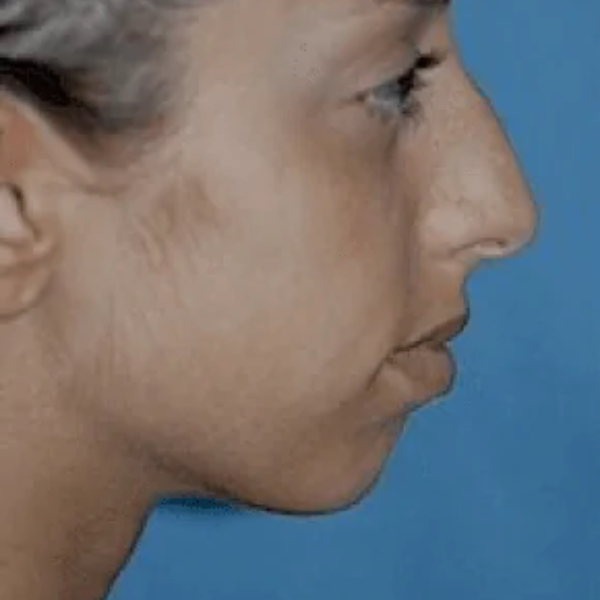
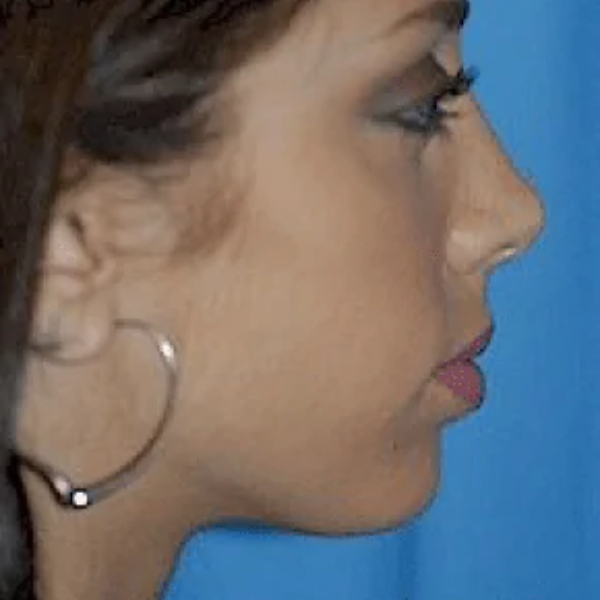
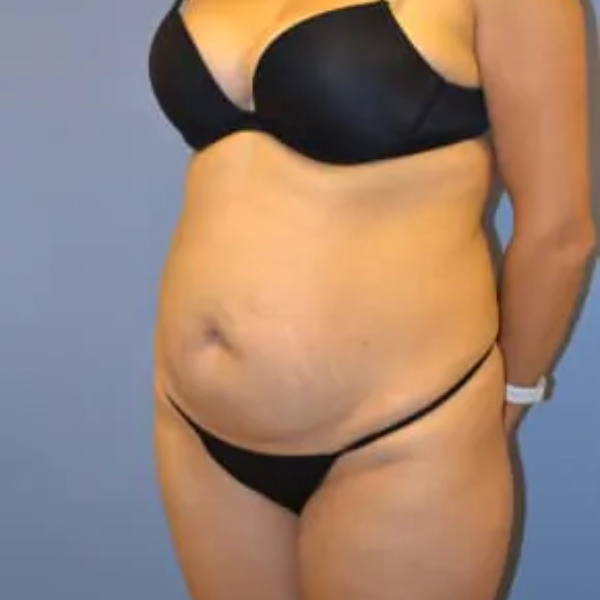
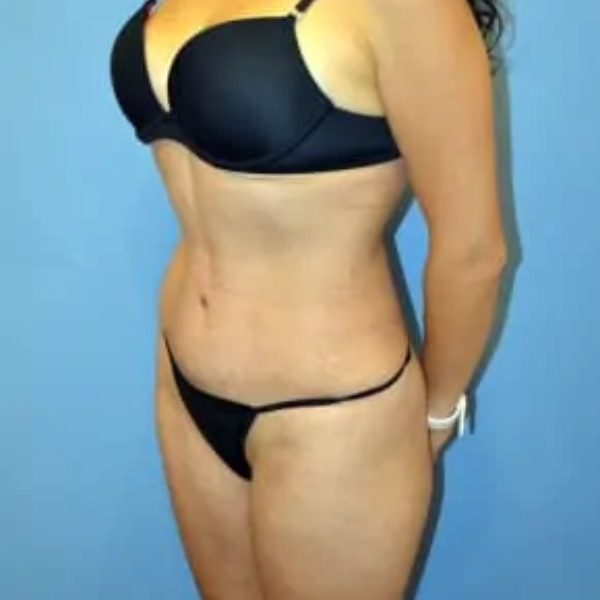
VASER Liposuction
Consultations offered at our four convenient locations in Edison, Marlboro, Warren and West Orange, NJ

VASER stands for Vibration Amplification of Sound Energy at Resonance. It is part of the newest generation of liposuction, meaning it is an advanced technique resulting from decades of technological refinements. (1)
I’m Dr. Harry Haramis, and I’ve been in practice since 1994. My dad, uncle, and aunts were all in the medical field, so I was always surrounded by medicine growing up—I would even look through medical journals because my dad’s office was attached to the house. I worked in the hospital in high school, and when I started medical school, I was very interested in plastic surgery. It’s a very visual field, requiring a lot of artistic precision and creativity. It is especially important to have great attention to detail for patients because you can actually see all the changes that are happening, unlike internal surgery. In this way, cosmetic surgery offered an exciting challenge that is also very rewarding. I used to work a lot with cleft lip patients, facial fractures, skin cancer, breast reconstruction, trauma, and hand, which are all highly visible, and through my experience, I have fine-tuned my techniques to give my patients the best results possible.
Over the years, my focus on precision and natural-looking results naturally led me to embrace VASER liposuction, which allows me to sculpt delicate areas with the care and attention to detail my patients deserve.
To schedule a consultation and learn more about VASER and schedule a consultation, please contact our office online or call any Associates in Plastic Surgery location:
Contents
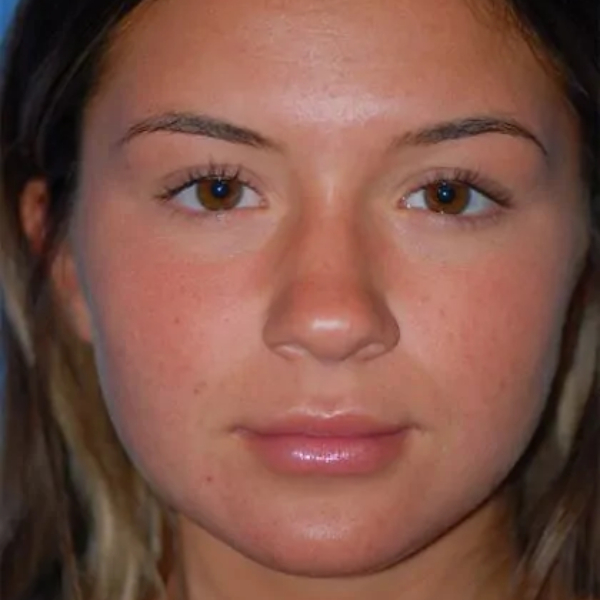
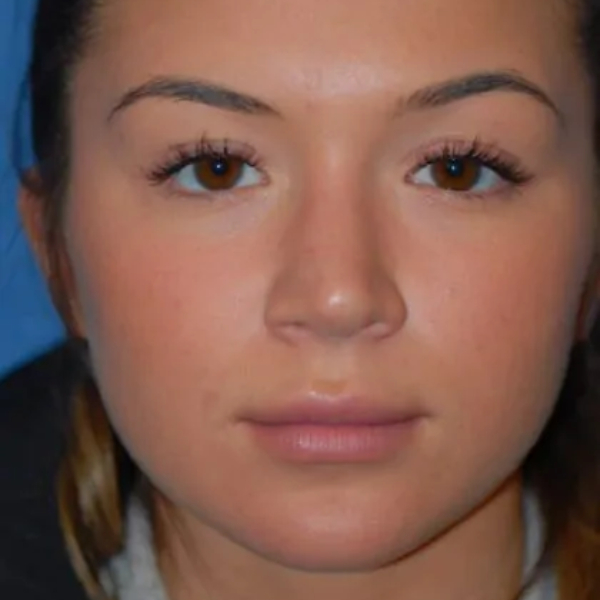
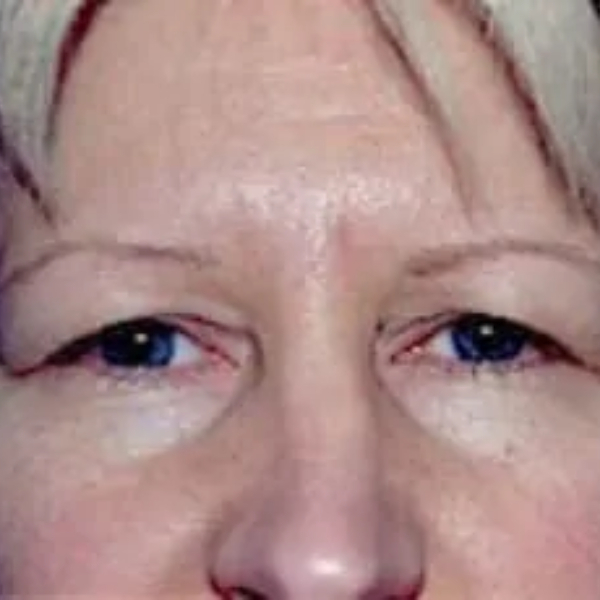
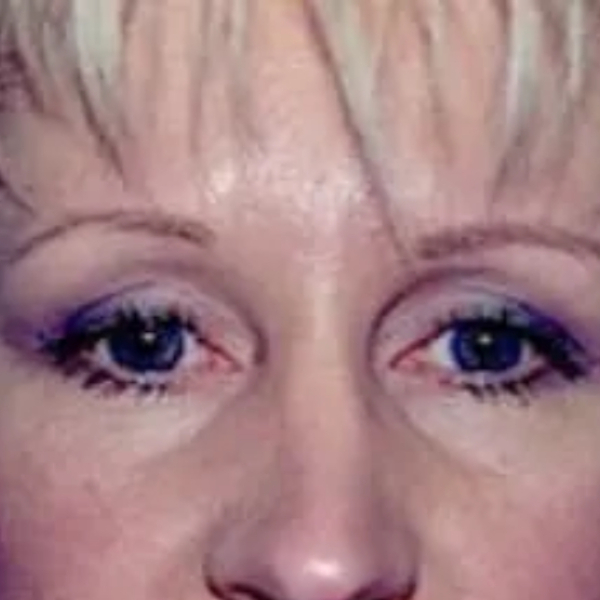
Before and After Photos


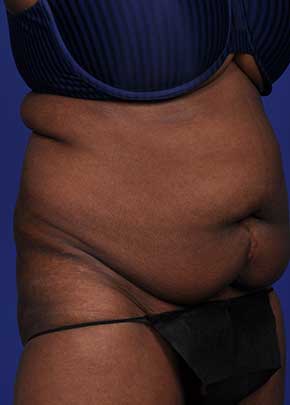
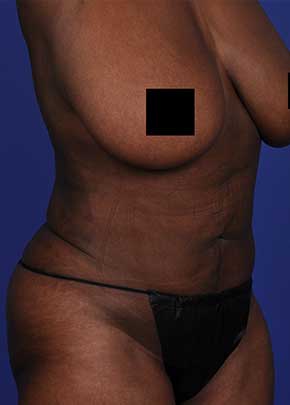
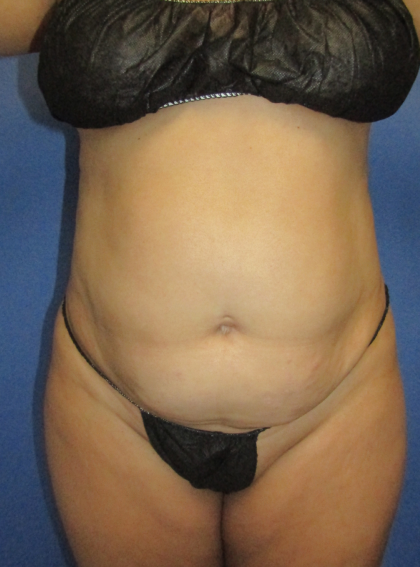
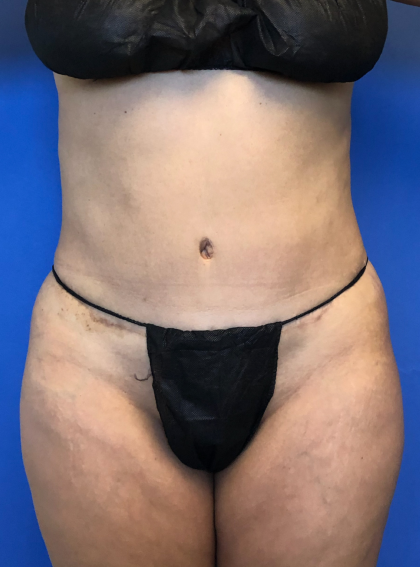
Liposuction Through the Years
Where it All Started
In the late 80s, when liposuction was invented, I got to see its early stages of development and how it worked firsthand. In the beginning, it was quite rudimentary; patients were more at risk for blood loss and excessive bruising. Some patients would even donate their blood before their surgery so that they could get a blood transfusion after their procedure if they needed to.
With this method, surgeons could really only address large areas like the belly.
A Major Step Forward: Power-Assisted Liposuction (PAL)
Eventually, a professional developed the idea of a vibrating handpiece. (2) Before this, the liposuction cannula had been a tube that you had to manually push back and forth. The PAL handpiece was sort of like a knife that could be pushed through the fat more gently and easily. As a result, patients could see less bruising and had an easier recovery. We use the MicroAire system.
The Tumescent Revolution: Moving Toward Safer, More Comfortable Treatments
PAL liposuction started to gain popularity, so other surgeons were experimenting with it. A surgeon named Dr. Klein eventually came up with tumescent liposuction, which involves infusing lidocaine into the treatment area to numb the area so that the procedure could be performed under local anesthesia. Epinephrine was in the solution, too, so blood vessels shrank and there was less blood loss. This made the treatment less invasive overall. (3) Patients were more comfortable after the procedure, so we were able to expand the treatment to other areas with ease.
The 4th Generation: SmartLipo and VASER
Liposuction pioneers began to experiment with ultrasound in the late 90s; however, it required a very thick probe, and while it was very powerful, patients were more at risk of getting burns if the procedure was not done properly. For a time, the technique was largely shelved.
But around 2007, SmartLipo and VASER became invaluable additions to our toolbelt. SmartLipo uses laser energy that would be absorbed by the fat. The laser would help dissolve and break up the fat while also stimulating collagen and having skin-tightening benefits.
These procedures are better for areas like the arms, belly, bra line, and waist, as they make skin removal less necessary.
VASER uses high-frequency sound waves and vibrates very fast. It disrupts the fat and heats the skin underneath. It also keeps the fat cells healthy, so in case I am planning to do a fat transfer, the fat is exceptionally viable. Something like SmartLipo, on the other hand, can kill the fat cells with its laser energy.
When I started using VASER in about 2007, I performed thousands of cases while other specialists were still unfamiliar with the technique and heavily relied on skin removal for skin tightening. I helped pioneer further innovations in the technology; for example, I began using components of PAL with VASER. In the beginning, VASER had its own suction cannula, but it wasn’t a vibrating one. I combined these two components because I had been primarily using PAL beforehand and valued the stunning results and ease of the vibrating cannula provided.
This combined approach offered even less damage to patients’ tissue, so they could expect less swelling and bruising post-surgery. It also offers exceptional skin-tightening results that take several months to develop. Many patients do not end up needing skin removal at all, depending on the degree of skin laxity they have.
Weight Loss Patients
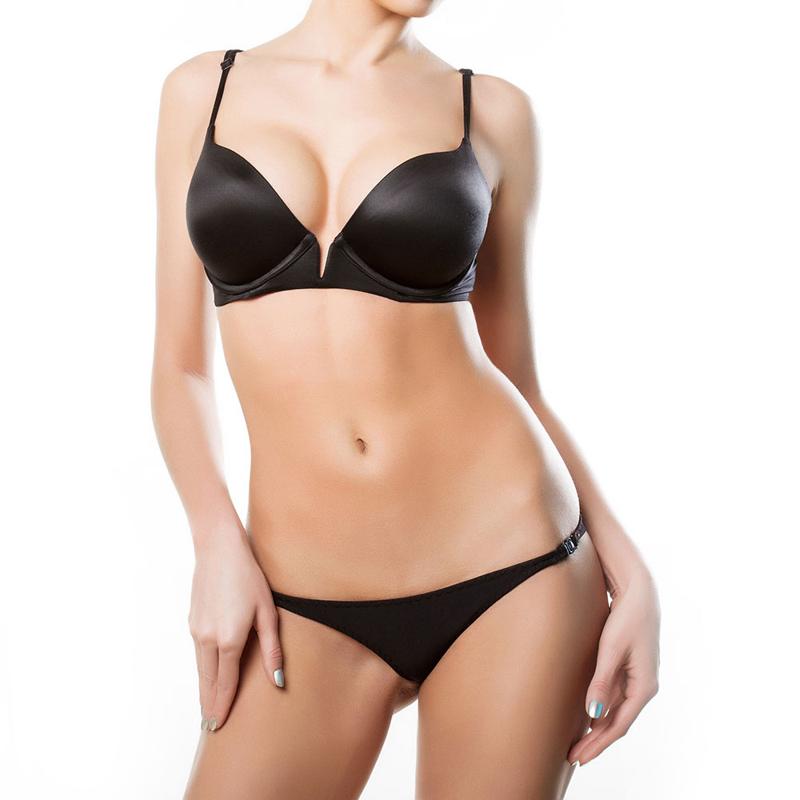
I used to see a lot of patients who had lost a significant amount of weight from bariatric surgery—a surgery that shrinks the stomach so patients can eat less food. Now, I still see a lot of weight loss patients, but more and more of them have achieved their results by taking GLP-1 medications. GLP-1 medications act on hormone pathways to reduce cravings and help patients feel fuller after eating smaller portions.
These medications have been reported to be exceptionally effective, helping patients lead healthier and more mobile lives. However, the weight loss they provide happens quite rapidly, and when patients lose a lot of weight quickly, their skin doesn’t always shrink back into place; it often hangs loosely and has stretch marks.
Even though these patients have often lost a significant amount of weight, I see a lot of patients who are struggling to target problem areas. It is not easy—and sometimes it’s not even possible—to target certain areas without losing more overall weight and causing other areas to look gaunt or hollow. For these patients, VASER liposuction is effective for finally sculpting stubborn areas of fat. I have found that when we treat problem areas, patients feel more motivated to be healthy and exercise regularly to keep their results looking strong.
Massive weight loss patients often require skin removal if they would like to address a large amount of excess skin, but for those who do not want surgical excision, VASER can still provide meaningful contouring and noticeable improvement in skin tightness. VASER can also be combined with skin removal, such as a tummy tuck, arm lift, etc.
VASER 360
I often use VASER 360 to target the full midsection, including the waist, back, and areas around the armpits. This also works well for breast tissue that hangs over the top of the bra or along the sides. I like this approach because it creates a smooth, continuous contour, giving my patients a more balanced and natural shape from every angle.
VASER 270
With my technique that I call VASER 270, I focus on the waist, back, and sides, but I leave the belly untouched. I often combine this with fat transfer to enhance results in a subtle and natural way. My techniques aren’t about weight loss or dieting, of course, but they’re about sculpting stubborn areas that won’t respond to exercise or dieting alone.
Male Liposuction
I also do a lot of VASER procedures for men, often sculpting areas like the belly, love handles, waist, and chest. To address the chest and take out fat that causes unwanted fullness (often a characteristic of a condition called Gynecomastia), I make a discreet incision at the edge of the areola. It is a very quick procedure, and patients heal very well afterward. I see patients of all ages, as well as post-weight-loss patients who have stubborn fat in the chest. I always strive to avoid visible scars so that patients can feel confident even without a shirt.
BBL after VASER
I specialize in a subtle and tasteful BBL (Brazilian Butt Lift) to add projection after sculpting the waist and other areas with VASER. I let my patients actually sit after their BBL! Other surgeons say you have to avoid sitting for 6 weeks, and even go home on your knees in the car. Shift weight every hour or so, use a pillow while sitting, and sleep in a comfortable position.
While the BBL is a very popular procedure, it takes a lot of precision. Patients often voice concerns about fat embolism, or fat in the bloodstream. I am a part of the American Society of Plastic Surgeons and the American Society for Aesthetic Plastic Surgery, and we would look at this in task groups to develop a solution. To avoid this risk, we have a completely closed system and stay above the muscle when administering the fat.
BBL for men
The BBL is popular among men who want to see a bit more athletic-looking fullness, or what I also like to call the “quarterback butt.” For this procedure, I add nothing to the hips—just a little more projection to the buttocks. I can also use VASER 4D etching to emphasize a 6-pack appearance, or sculpt areas like the chest and arms with fat transfer.
Recovery
VASER liposuction is so great because it reduces the overall recovery time that patients experience after the procedure. During recovery, I asked my patients to wear compression garments to support their results. Patients can expect to return to their normal routines after about 2 weeks. They will see me for follow-up appointments so that I can make sure they are doing well.
References
- Tran BNN, Didzbalis CJ, Chen T, Shulzhenko NO, Asaadi M. Safety and Efficacy of Third-Generation Ultrasound-Assisted Liposuction: A Series of 261 Cases. Aesthetic Plastic Surgery. 2022;46(5). doi:https://doi.org/10.1007/s00266-022-02992-7
- Bartow MJ, Raggio BS. Liposuction. PubMed. Published 2022. https://www.ncbi.nlm.nih.gov/books/NBK563135/
- Boeni R, Waechter-Gniadek P v. Safety of Tumescent Liposuction Under Local Anesthesia in 9,002 Consecutive Patients. Dermatologic Surgery. 2021;Publish Ahead of Print. doi:https://doi.org/10.1097/dss.0000000000002987