Tummy Tuck (Abdominoplasty)
Consultations offered at our four convenient locations in Edison, Marlboro, Warren and West Orange, NJ
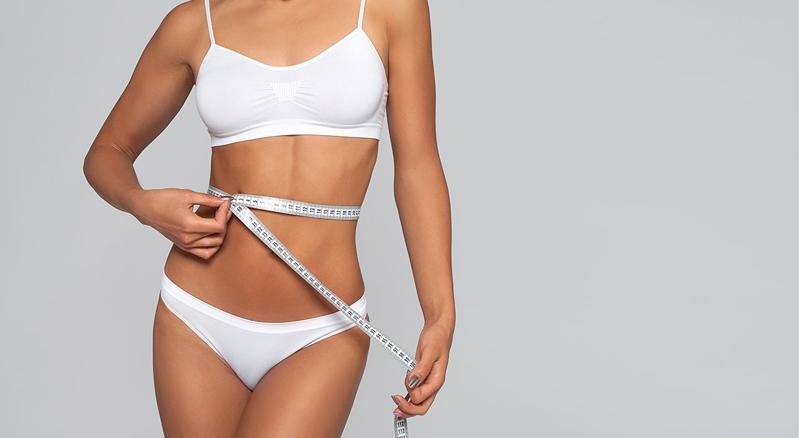
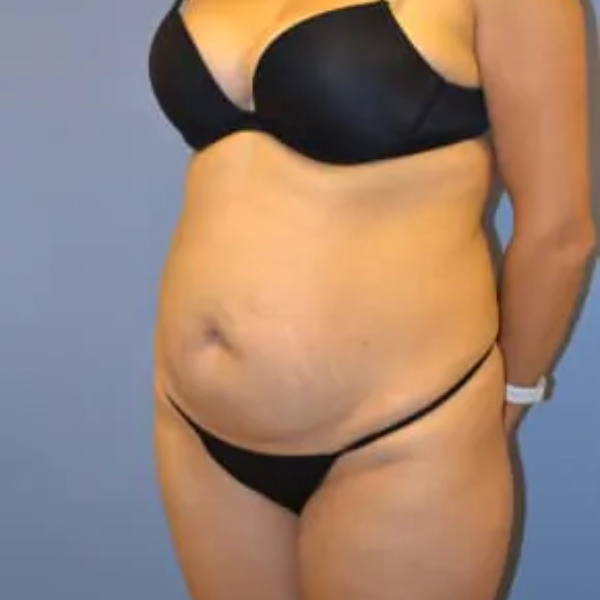
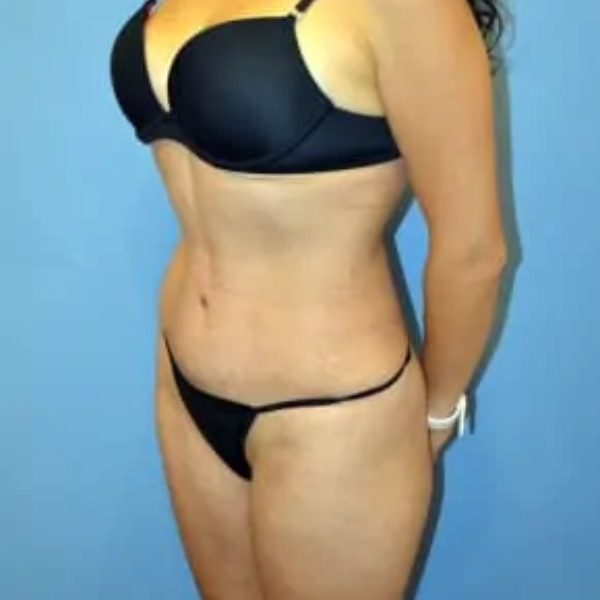
The tummy tuck, also called abdominoplasty, is one of the most popular procedures we perform for both men and women here at Associates in Plastic Surgery. Abdominoplasty usually involves the removal of excess, lax skin, soft tissue, and fat. Also, widely spaced abdominal muscle repair and umbilical or belly button rejuvenation. (1)
I’m Dr. Harry Haramis, a board-certified plastic surgeon with more than 30 years of experience in technological refinements.
My interest in medicine started very early. My dad, uncle, and aunts were all in the medical field, so I was always surrounded by medicine growing up—I would even look through medical journals in my dad’s home office. When I started medical school, I was quickly interested in the visible nature of plastic surgery. In the past, I worked with cleft lip patients, facial fractures, skin cancer, breast reconstruction, trauma, and hand, all of which yield highly visible results.
I’ve performed thousands of tummy tucks in my practice; over the years, I’ve continued to refine my techniques, making sure my patients are getting outstanding natural results, the best care with the most advanced techniques available.
If you are interested in learning more about tummy tucks, I would be happy to see you for a personal consultation. Please contact our office online or call any Associates in Plastic Surgery location:
I look forward to meeting you!
Contents
Who Gets a Tummy Tuck?
Many of the tummy tuck patients I see have undergone some kind of weight loss or have been pregnant in the past. However, the tummy tuck isn’t strictly reserved for these patients—I encourage you to reach out to the office to see if you might qualify. Some patients develop loose skin around the abdomen as a result of the natural processes of aging as well.
Mommy Makeover Patients
Many of my patients who have gone through pregnancy at some point in their lives can benefit from a mommy makeover. This is a carefully chosen, meticulously planned combination procedure that often incorporates a tummy tuck, a breast procedure, and any other procedures that might benefit the patient, such as an arm lift or thigh lift. My goal with a tummy tuck is to completely rejuvenate the body after pregnancy, so that patients can feel confident in how they look in their day-to-day life. Diastasis recti often occurs as a result of pregnancy, so muscle repair is especially important in these cases. (2)
Mommy makeover patients must be fully healed from their pregnancy before considering the procedure, and it is best to be completely done expanding your family before having surgery.
Weight Loss Patients
In recent times, I have been seeing more and more tummy tuck patients, male and female, who have undergone substantial weight loss with the help of GLP-1 medications. GLP-1 medications target hormone pathways to make patients feel less hungry after eating smaller portions. With this medically-assisted weight loss approach, patients see incredibly rapid results. This is great, but the rapid weight loss results in a lot more loose skin than usual. The skin doesn’t have a chance to retract, so it just sags once the bulk is gone.
Patients who experience this often feel like they are not completely through with their weight loss journey—that loose skin is holding them back. What I see with these patients is often an extreme excess of hanging skin, almost like they’re wearing clothing that is several sizes too large. This requires a specialized approach, also known as the Fleur de Lis Tummy Tuck, which I will go into more detail about below. Also, if the patient developed diastasis recti as a result of their weight gain, they might have trouble flattening their tummy with exercise.
Before GLP-1s, I used to see more patients who had developed loose skin as a result of weight loss with bariatric surgery, which would actually modify the stomach. However, because this is more invasive, it has seemingly been surpassed by the simpler, one-injection-a-week GLP-1 method.
My Tummy Tuck Approach
Something that has always remained true in my experience is that no two tummy tucks are exactly the same. I take the time to get to know my patients so that they feel listened to, supported, and confident. It is an honor to have patients put their trust in me—it’s certainly not something I take lightly! This is why I value an in-depth consultation process, with at least two pre-operative consultations. I know surgical details are a lot to take in, and I want to make sure my patients are completely ready for their procedure.
During the consultation process, I will examine the abdomen to determine what kind of techniques I will use. Most tummy tuck patients need belly button rejuvenation and muscle repair.
Weight fluctuations can stretch the bellybutton to an unnaturally large size or warped shape, or even be hidden. As a result, most patients require some sort of belly button rejuvenation as part of their tummy tuck. I strive for extremely natural results in my approach; whenever possible, I make all of the incisions hidden within the belly button.
Addressing the belly button makes for a much more cohesive result. Without addressing the belly button, patients might feel self-conscious about how their abdomen looks. I often see revision patients who did not have their belly buttons addressed during a previous procedure. My belly button rejuvenation methods allow patients to feel empowered to show off their abdomen at the beach, pool, and wherever else!
Muscle Repair
I almost always do muscle repair—about 95% of my patients need some kind of muscle repair during their tummy tuck. You might be able to tell if you have diastasis recti if your tummy sticks out, and exercise doesn’t seem to be making it any flatter. It can also have a negative impact on your posture.
To perform muscle repair, I use permanent stitches to bring the muscles back together. Many surgeons use absorbable stitches, but I’ve found that permanent stitches allow for much longer-lasting results. In some cases, absorbable stitches will break or dissolve before the muscles are fully rejoined, causing the muscles to separate again. Permanent stitches are a mainstay in general surgery for long-term stability, so I am very familiar with their benefits over absorbable stitches from my training.
Starting at the rib cage, I make figure-8 stitches all the way down to the pubic area, then I do a second layer for an exceptionally strong repair. As I’ve seen in my experience with other surgeons, one continuous stitch can be problematic—if one part comes undone, the rest may follow.
After muscle repair, your tummy will be as flat as can be, and it will be easier to strengthen these muscles with targeted core exercises. Your posture might improve, too!
A great approach to muscle repair can make recovery shorter and give you the best results, so I am always refining my techniques.
VASER Lipo
It is completely normal to have stubborn fat around the abdomen, waist, and torso, even after you have lost a lot of weight. Sometimes, certain fat just sticks around, resisting both diet and exercise.
If you are experiencing this, I recommend VASER lipo before skin removal. This is almost routinely combined when I perform a tummy tuck. I was among the first surgeons to regularly implement VASER into my practice, and I am proud to offer this method to my patients as an alternative to older methods. VASER uses ultrasound energy to emulsify fat and make it easier to remove, so that I can exercise utmost precision and tissue preservation.
First, I will make the incisions I will need for the tummy tuck. Then, I will inject a tumescent fluid that will constrict the blood vessels, numb the area, and swell the fat cells. All of these components will make the fat easier to move, as well as shorten your recovery time. This solution will settle for a moment before I move on to the next steps.
I will then use the vibrating ultrasound cannula to remove the emulsified fat from the abdomen. Some patients prefer a bit of abdominal etching or highlighting certain muscle groups for a more athletic appearance. I can do this before a tummy tuck as well.
Fleur de Lis Tummy Tuck
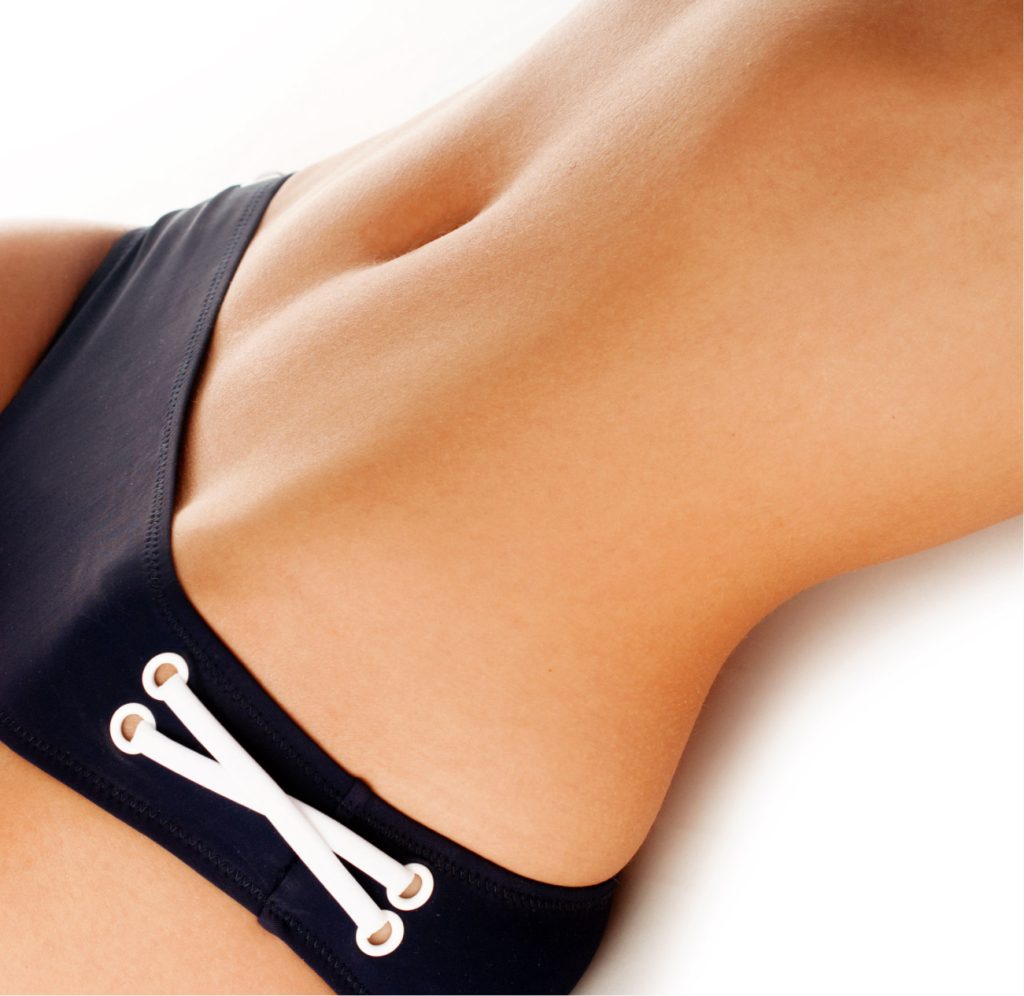
I have extensively worked with a select group of patients who have lost as much as 200 pounds. The degree of excess skin that these patients have requires a very specialized approach. So, for massive weight loss patients, I use the Fleur de Lis approach. This uses an up-and-down incision, sort of like a T-shape, but much more complex. Fleur de lis actually translates to “lily flower,” which is meant to describe the inverted anchor-like shape. This incision allows me to address both the upper and lower abdomen, as well as the sides.
Mini Tummy Tuck: Realities and Myths
Many practices will advertise a ‘mini tummy tuck’ as a less invasive alternative to a traditional tummy tuck. In my experience, I have found that only 5% of patients are eligible for a true mini tummy tuck.
This includes an incision at the waistline, minus any belly button rejuvenation. It is not as comprehensive and just doesn’t meet most patients’ needs, as the vast majority of patients can benefit from belly button rejuvenation.
Recovery

I make sure all of my patients are well prepared for their tummy tuck recovery. I will give each of my patients a detailed timeline of what to expect; recovery often includes swelling, bruising, and discomfort, although these effects are minimized with my precise techniques. Patients will return to my office during their recovery for ongoing support and so that I can make sure their results are developing as expected.
References
- Regan JP, Casaubon JT. Abdominoplasty (Tummy Tuck). PubMed. Published 2020. https://www.ncbi.nlm.nih.gov/books/NBK431058/
- Hall H, Sanjaghsaz H. Diastasis Recti Rehabilitation. PubMed. Published 2022. https://www.ncbi.nlm.nih.gov/books/NBK573063/
- Mitchell RTM, Rubin JP. The Fleur-De-Lis Abdominoplasty. Clinics in Plastic Surgery. 2014;41(4):673-680. doi:https://doi.org/10.1016/j.cps.2014.07.007