Rhinoplasty
Consultations offered at our four convenient locations in Edison, Marlboro, Warren and West Orange, NJ

Rhinoplasty is a complex and transformative procedure, (1) and it is one of my primary specialties. I’m Dr. Andrew Miller, a board-certified facial plastic surgeon by the American Board of Facial Plastic and Reconstructive Surgery, practicing at Associates in Plastic Surgery.
I started my own private practice 26 years ago. During my time as a plastic surgeon, I have performed over 1500 rhinoplasties. I help all of my patients achieve exceptionally natural results and great, meaningful changes. My results are very consistent—my patients do not report any significant problems after their procedure. I am proud to say that my rhinoplasty patients are regularly very happy with their results!
To request a consultation with me so that we can get started on a rhinoplasty plan, please reach out via our online contact form or give one of our offices a call:
Contents
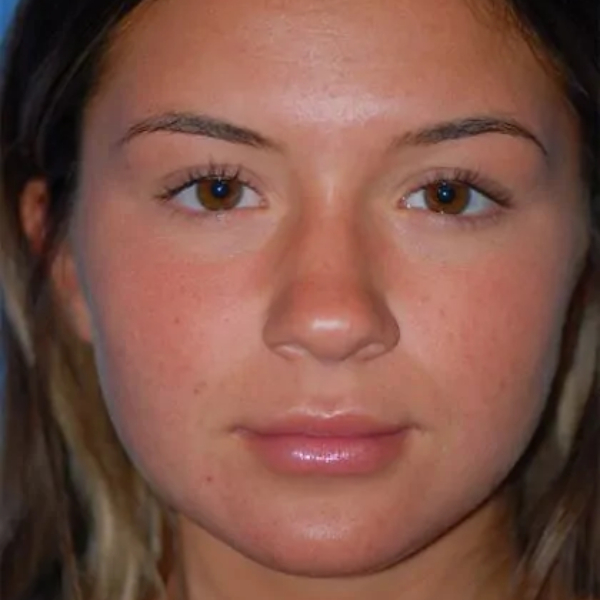
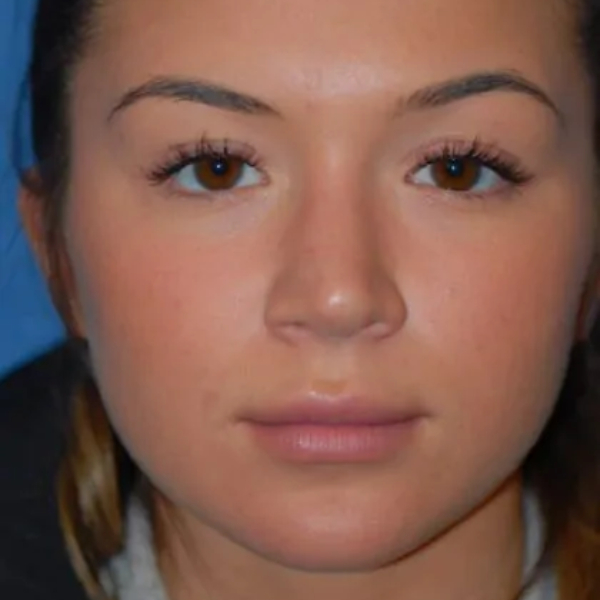
Before and After Photos


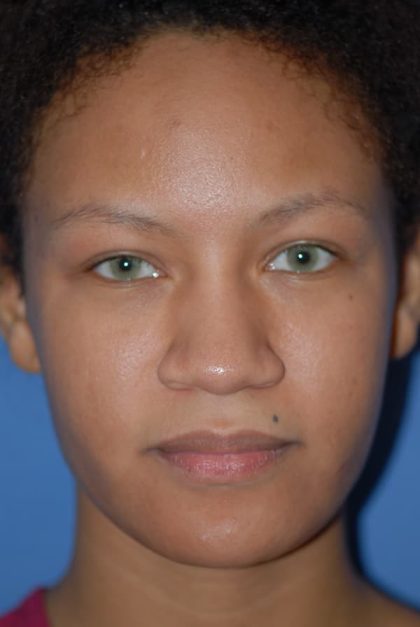
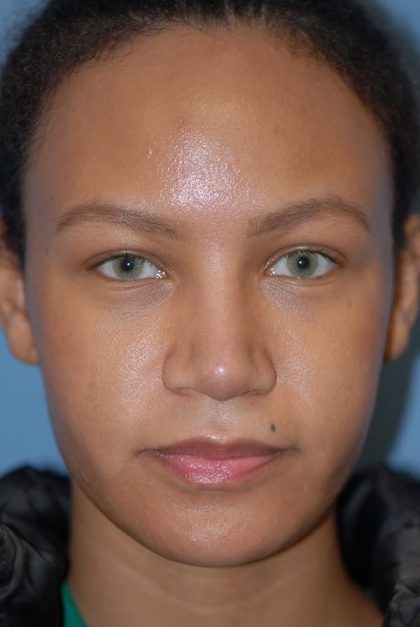
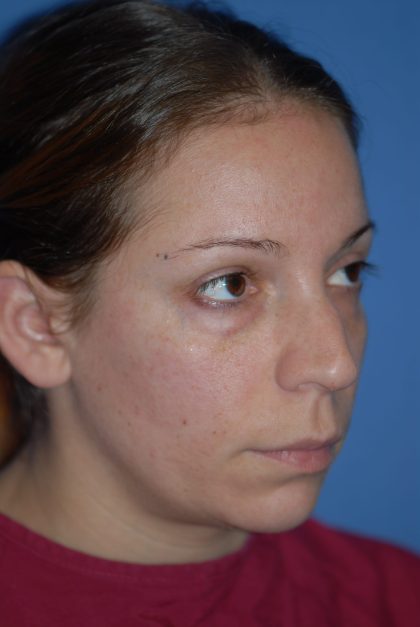
About Rhinoplasty
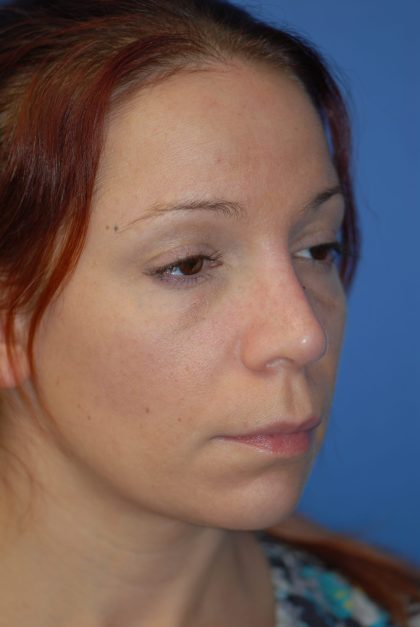
A lot of plastic surgeons don’t actually like to perform rhinoplasty because, well, it’s difficult! The procedure requires a lot of training and experience, as well as a deep understanding of the nose and its internal structures. (1) The nose is incredibly central to the overall look of the face, so it is important to consider every factor possible that can impact the results of the procedure.
How thick is the patient’s skin? Have they undergone rhinoplasty before? What are their ideal results? These are all questions that guide my approach to rhinoplasty to create unparalleled, highly personalized results. Every patient’s nose is unique, so I approach them as such. There is no cookie-cutter, universal ‘best nose’ to strive toward—I want all my patients to feel completely comfortable with their nose and still look like themselves (just better!).
I was immediately drawn to the rewarding challenges that rhinoplasty presents during my training. I appreciate the procedure’s complexity and its ability to make patients feel better about their appearance while also treating functional concerns—both changes that can improve patients’ quality of life.
I studied many different types of rhinoplasty cases as a resident, learning from esteemed rhinoplasty surgeons who were experts in the field. I witnessed the evolution of rhinoplasty over time, refining my own techniques constantly to practice the most advanced and time-tested approaches.
Rhinoplasty Techniques
Understandably, different rhinoplasty techniques yield different results. I perform most of my rhinoplasties with the open approach. This only requires a small and very discreet incision on the columella of the nose, or the strip of tissue between the nostrils. (2)
Some doctors still use the closed approach, and this can sound appealing because it allows for no external scarring, as well as less invasion. It is true that it can be effective in certain cases, such as patients who have very minor concerns or require only subtle adjustments; however, there is a greater risk of developing irregular results with this method. This is because the surgeon cannot fully visualize the structures of the nose and, therefore, is unable to make more complex changes. Most of the revision patients I see have actually undergone a closed rhinoplasty previously, and that’s one of the reasons why they are dissatisfied with their results.
The open technique allows for much more precision. (2)
Candidates
The top 3 reasons I see rhinoplasty patients:
- They have a bump or droopy tip that makes their nose look too long; they want to make it shorter
- They have a wide or bulbous tip, and they want to make it slimmer to fit the rest of the face
- They have a nasal deformity or nasal obstruction, and they want to correct the deviation and breathe more easily
Candidates should ideally be non-smokers in generally good health; patients who smoke will have to quit for an extended period of time. Candidates should also have realistic expectations, which I will outline with them during the personal consultation phase.
Personal Consultation
A very important part of the rhinoplasty process is the personal consultation phase. During this appointment, I have a conversation with the patient about what they can expect regarding the surgery and also get a better understanding of the changes they would like to see. When we do a consultation, we offer digital computer imaging. This gives patients an idea of what the nose could look like if they aren’t sure how their results might appear.
Two to three preoperative appointments are standard, but our patients are welcome to come back as many times as they would like so that they can be comfortable moving forward. We usually develop a plan at the first visit.
Rhinoplasty Revision
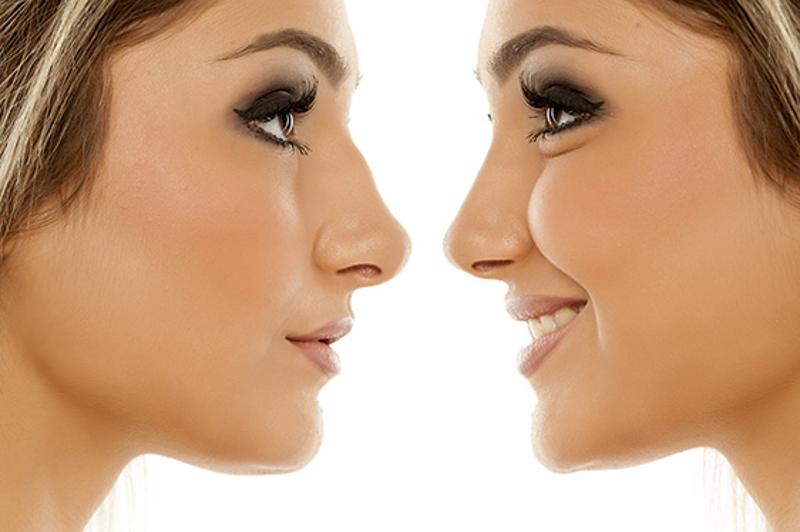
I perform a lot of revision procedures at my practice for patients who have previously undergone rhinoplasty elsewhere, and have results that they aren’t fully happy with, have developed complications over time, or have had their aesthetic preferences change. As previously mentioned, a lot of the revision patients I see have gotten their suboptimal results from a closed rhinoplasty procedure.
Most revision procedures have to be performed with the open technique because of the added complexity. For example, it is more difficult to work with scar tissue, and there is usually also a lack of cartilage. (3)
The top 3 reasons patients undergo a revision rhinoplasty include:
- They have developed a ‘pinched’ look in the tip of the nose
- Their nose has started to look asymmetrical or crooked
- The nostrils appear collapsed or irregular
I find revision rhinoplasty especially rewarding because it allows me to give my patients a second chance to finally feel comfortable and confident with their appearance. I can fix all of the aforementioned issues, often using cartilage from the nose or ear to support and refine the structure of the nose.
I prioritize results that are stable long-term, so my patients do not have to worry about undergoing any additional revision procedures in the future. Results will age gracefully and offer peace of mind.
Male Rhinoplasty
Male rhinoplasty has become more popular than it was 20 years ago, with more and more men undergoing the procedure to feel more confident or address functional issues. For men, it is especially important to keep the nose looking natural—we don’t want to make it look feminine. I rarely lift the nasal tip for these patients, and I make sure that the nose is in a strong, straight line.
My male patients often want to:
- Fix a bump
- Shorten the nose
- Shorten the bridge
- Straighten the nose to harmonize with the face
My #1 priority is to keep it looking like a male’s nose—chiseled, masculine, and balanced.
Ethnic Rhinoplasty
Ethnic rhinoplasty is also considered more difficult because it addresses more intricate structures and requires special considerations. Ethnic rhinoplasty patients often have the following concerns they would like to address:
- Flat bridge
- Wide/weak nasal tip
The skin is often thick in these cases, meaning it can be harder to see details underneath the skin during the surgery. We can thin out the skin and use significant grafting to create a tip that is strong enough. We can also use a graft to build up the bridge, often from the rib or using Gore-Tex. These changes can make the nose look more balanced in relation to the tip. In my experience, approximately 75% of ethnic rhinoplasty patients need some sort of graft to the bridge of the nose to achieve balance.
Rhinoplasty With Sinus Surgery or Septoplasty
Patients with nasal breathing difficulties or chronic sinus conditions that do not respond to other medical treatments will see improvements with a septoplasty. I specialize in this surgery and perform it regularly. Insurance may also cover some or all of the costs of this medically necessary surgery.
Recovery
Recovery from rhinoplasty usually requires patients to have a cast and stitches in place for about a week. Most of my patients go back to work after about a week, but I tell them to avoid strenuous activities for at least two weeks. During recovery time, there is some bruising and swelling to be expected. These effects will pretty much disappear during the first week of healing.
My patients do not report significant pain during their recovery; rather, they describe a stuffy feeling—as though the nose is congested—that improves as soon as the cast comes off.
Cost of Rhinoplasty in New Jersey
Because rhinoplasty is such an individualized procedure, the cost may vary. When we meet and discuss your goals, I will give you a price quote that reflects your goals and the steps necessary to achieve them. We also offer financing plans. If you have any questions, please call one of our New Jersey offices:
References
- Tasman AJ. Rhinoplasty – indications and techniques. GMS Current Topics in Otorhinolaryngology, Head and Neck Surgery. 2008;6. https://www.ncbi.nlm.nih.gov/pmc/articles/PMC3199847/
- Raggio BS, Asaria J. Open Rhinoplasty. PubMed. Published 2021. https://www.ncbi.nlm.nih.gov/books/NBK546628/
- Fichman M, Piedra Buena IT. Rhinoplasty. PubMed. Published 2020. https://www.ncbi.nlm.nih.gov/books/NBK558970/