Cheek Lift and Thread Lift
Consultations offered at our four convenient locations in Edison, Marlboro, Warren and West Orange, NJ

Plastic Surgeons Serving Edison, Marlboro, Warren, And West Orange, New Jersey
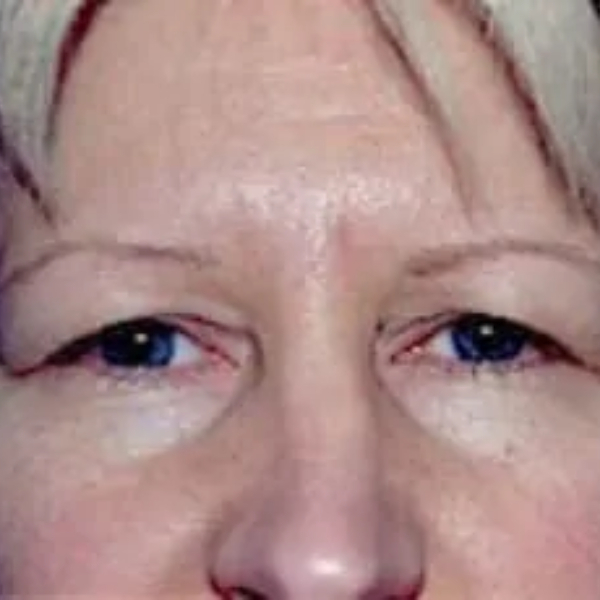
Over time, as age and gravity take their toll, the skin begins to sag and the cheeks start to drop. This contributes to two big signs of aging – pronounced nasolabial folds (also called nasolabial crease or parentheses lines) and bags under the eyes. The bone around the eyes also becomes more apparent, and the hollows created cause unflattering shadows
Contents
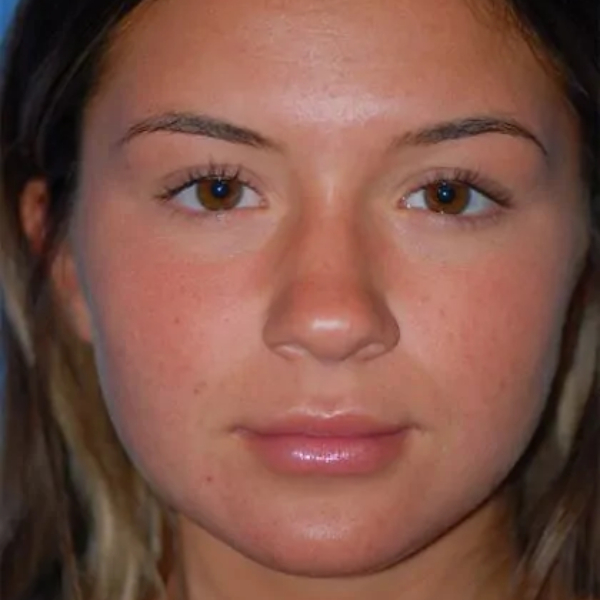
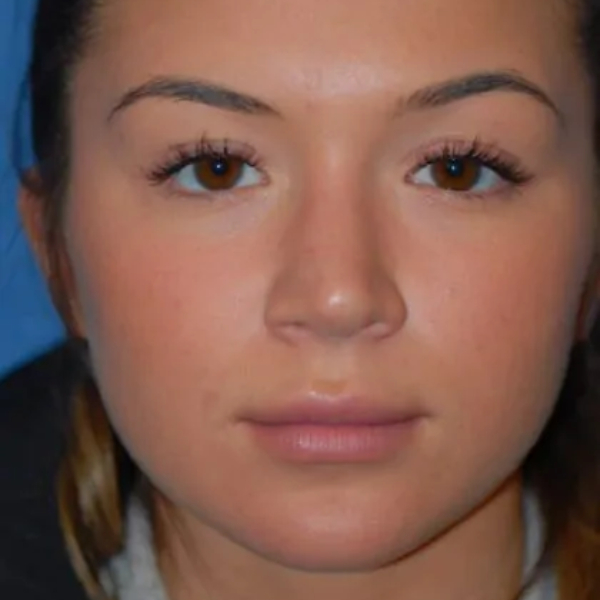
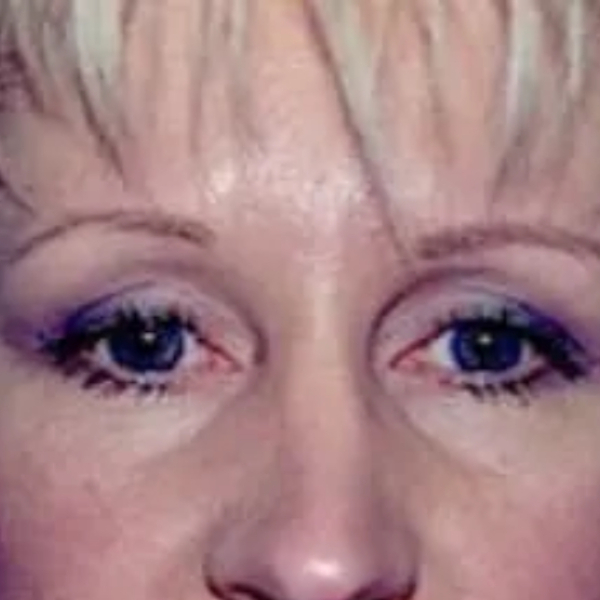
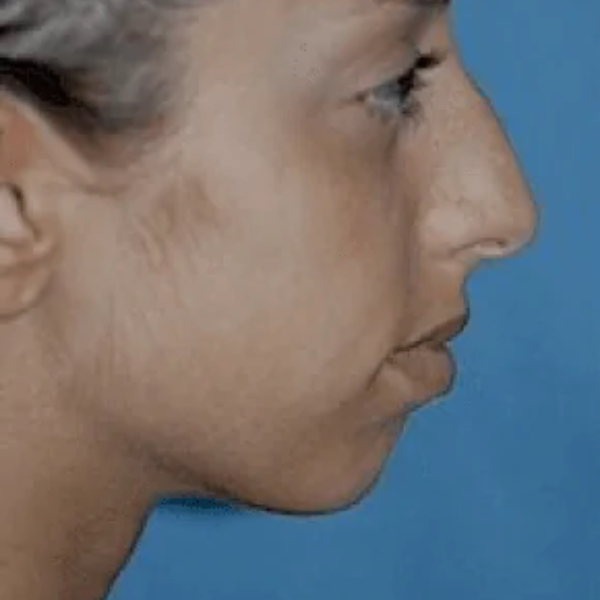
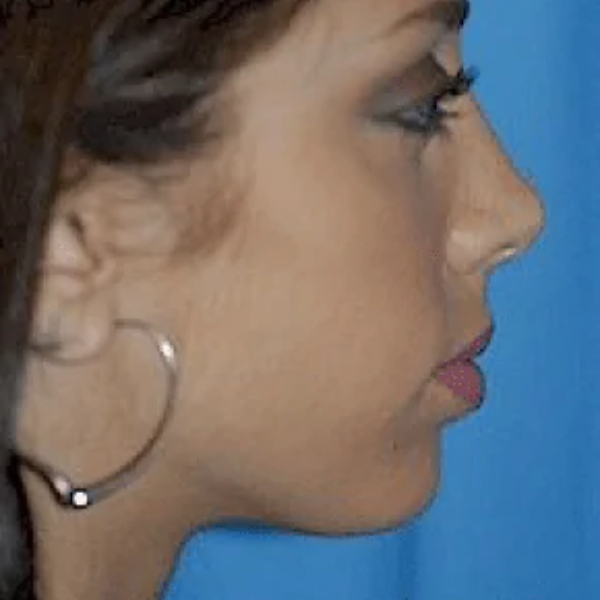
Before and After Photos


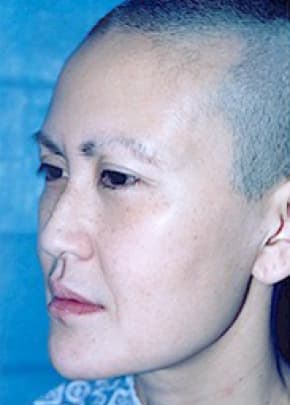
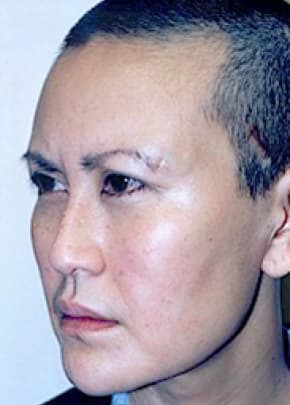
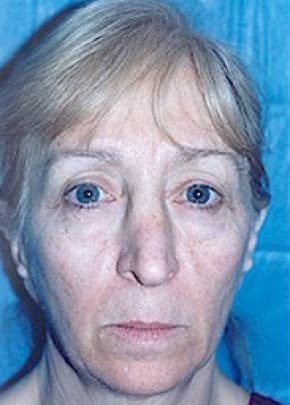
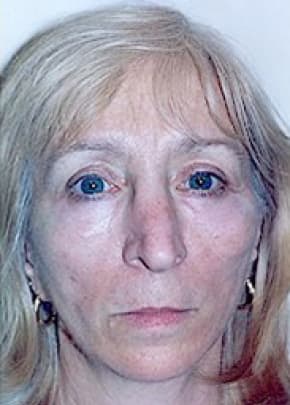
A traditional facelift addresses the lower face very well, but it will not significantly impact the midface. While your cheeks may look better immediately following a facelift, in just a few months they will revert back to what they looked like prior to the facelift.
A cheeklift could be the answer to your drooping cheeks. Unlike a traditional facelift, a cheeklift specifically focuses on lifting the cheeks back to a more youthful position. Cheeklifts can be performed in conjunction with a facelift, or they can be done on their own if you do not have significant jowling.

Cheek & thread lift
- Rhinoplasty
- Facelift
- Neck lift
- Eyelid surgery
- Brow lift
- Cheek lift & thread lift
- Fat transfer
- Ear surgery
- Earlobe surgery
- Laser resurfacing
- Lip enhancement
- Lip lift
- Chin & cheek implants
- Hair transplant
- Scar revision
- Mini facelift
Plastic Surgeons Serving Edison, Marlboro, Warren, And West Orange, New Jersey
Over time, as age and gravity take their toll, the skin begins to sag and the cheeks start to drop. This contributes to two big signs of aging – pronounced nasolabial folds (also called nasolabial crease or parentheses lines) and bags under the eyes. The bone around the eyes also becomes more apparent, and the hollows created cause unflattering shadows
A traditional facelift addresses the lower face very well, but it will not significantly impact the midface. While your cheeks may look better immediately following a facelift, in just a few months they will revert back to what they looked like prior to the facelift.
A cheeklift could be the answer to your drooping cheeks. Unlike a traditional facelift, a cheeklift specifically focuses on lifting the cheeks back to a more youthful position. Cheeklifts can be performed in conjunction with a facelift, or they can be done on their own if you do not have significant jowling.

Procedure types
There are various types of cheeklifts that can be performed, depending on your individual needs. Here at Associates in Plastic Surgery, we perform the following cheek and threadlifts:
Non-surgical cheek lift
In a non-surgical cheeklift, sutures are placed under the skin in order to lift sagging tissues and anchor them in place without the need for major surgery or anesthesia. This procedure produces noticeable long-term improvement, and can be easily performed together with other rejuvenating procedures such as fat injection or upper eyelid surgery.
Subperiosteal cheek lift
This type of cheeklift involves a small incision hidden in each temporal hairline, through which endoscopic cameras and instruments can be used to raise the tissues and elevate the cheeks to their natural location. This procedure is wonderful for reducing eye bags.
Percutaneous cheek lift
In a percutaneous cheeklift, a small incision is made in the hairline, and two tiny incisions are made in the nasolabial fold. Stitches are then passed through the incisions in order to elevate the cheek tissue and anchor it in place. This procedure is best for reduction of the nasolabial folds.
Each of these procedures can be performed together with other types of procedures in our private surgical center. Often, patients benefit most from a combination of treatments in order to address each of their concerns and obtain a comprehensive, youthful result.
Recovery
Recovery times will vary following a cheek or threadlift, depending on which particular procedure was done and whether it was combined with one or more other procedures. However, in general, patients can expect the following:
- Some swelling and bruising
- Minimal pain
- Restricted activity for one to two weeks
Swelling from a theadlift or percutaneous cheeklift generally lasts for around a week, while swelling from a subperiosteal cheeklift may last for 10 to 14 days. You can use a cold compress to help with the swelling, and arnica can be used to help with bruising.
Incisions from a cheeklift are well hidden, so no one should even notice you had surgery done unless you tell them. Instead, people will just think you look refreshed and well rested.
Ideal candidates
The best candidates for a cheeklift or threadlift are those who have pronounced nasolabial folds, eye bags, and sagging skin in the midface that cannot be corrected through a facelift alone. In addition, cheeklift candidates should:
- Be in good general health
- Be a non-smoker (or able to quit smoking for a period of time before and after surgery)
- Be able to maintain a good skin care regimen and protect skin from the sun
- Have realistic expectations
Most cheeklift and threadlift candidates are middle aged or older. Younger men and women who would like more pronounced cheekbones may benefit more from a cheek implant or dermal filler.
Consultation

If you are in New Jersey and are interested in obtaining a more youthful and refreshed appearance, don’t hesitate to contact Associates in Plastic Surgery to learn more about our cheeklift and threadlift procedures. Call 732-548-3200 today to schedule your consultation.
We serve patients in Edison, Marlboro, Warren, and West Orange, New Jersey.