Revision Rhinoplasty
Consultations offered at our four convenient locations in Edison, Marlboro, Warren and West Orange, NJ

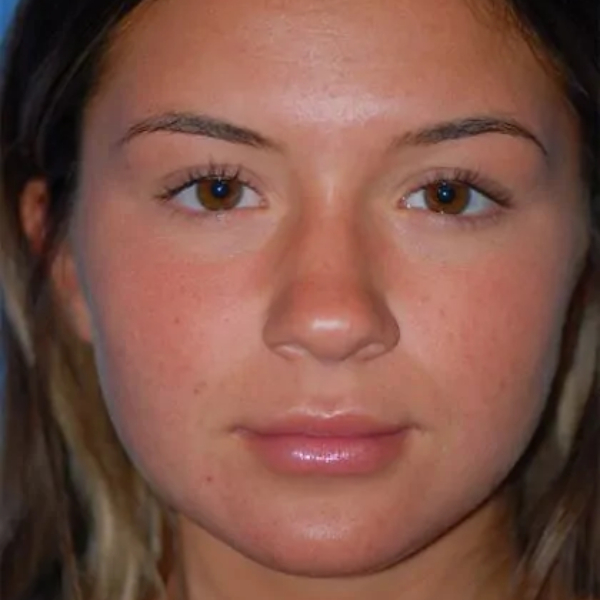
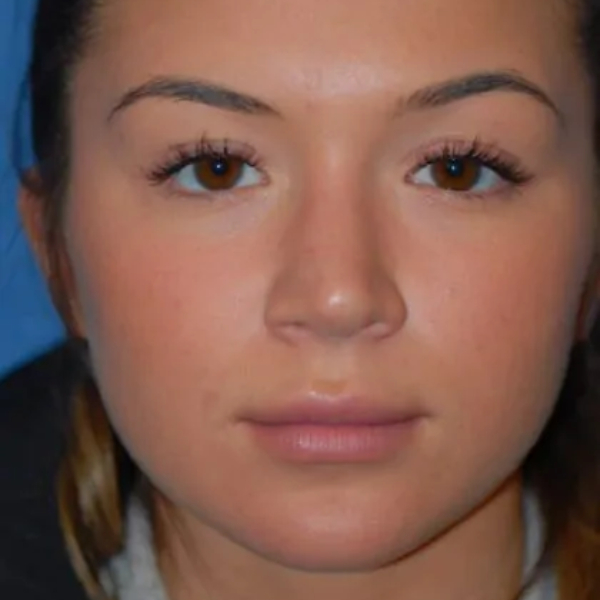
Revision rhinoplasty is a procedure designed to correct or enhance the results of a previous rhinoplasty. (1)
Your nose plays a defining role in your overall appearance, helping to balance your features and contributing to facial harmony. When a primary rhinoplasty fails to deliver the results you had hoped for, or worse, leaves you with new concerns, it can be disheartening. Whether the issue is functional, cosmetic, or both, revision rhinoplasty provides a second chance to achieve the natural-looking, refined results you originally sought. This procedure is tailored to correct concerns from previous surgeries, such as breathing difficulties, scars, asymmetry, or structural irregularities that may have developed over time. If you are experiencing any of these symptoms, we encourage you to explore your revision possibilities.
Dr. Andrew Miller and the team at Associates in Plastic Surgery in New Jersey understand the complexity of revision rhinoplasty and are among the most experienced specialists in this field. With an artistic eye and surgical precision, Dr. Miller performs every procedure with a focus on restoring both form and function. By using advanced techniques and a personalized approach, his team strives to correct complications from prior rhinoplasties and help patients finally achieve the look they have been longing for.
To schedule a personal consultation and get started on your revision journey, contact our office online or by calling any one of our four locations:
Contents
About Revision Rhinoplasty
Revision rhinoplasty is a specialized procedure that is performed to help patients correct any imperfections left from an initial rhinoplasty. This type of procedure can involve various types of techniques depending on the extent of correction needed and the patient’s aesthetic preferences.
Types of Revision Rhinoplasty
There are multiple types of techniques that can be used to perform revision rhinoplasty. The most common forms of revision rhinoplasty include:
- Open Revision Rhinoplasty: This technique involves making incisions and pulling back the nasal skin, which allows for better visibility of the structures within the nose. This method is beneficial for larger revisions requiring more extensive adjustments. (2)
- Closed Revision Rhinoplasty: A closed revision rhinoplasty only entails internal incisions. This preserves external skin over time and minimizes visible scarring. (2)
- Nasal Reconstruction: Advanced reconstruction techniques may be required to rebuild the nasal framework for those with significant tissue loss or deformities.
Because each patient undergoes revision rhinoplasty for unique reasons, additional and unique techniques may be employed to achieve each patient’s desired results. (3)
Benefits
Revision rhinoplasty procedures offer numerous benefits for those looking to improve or correct the results from a previous rhinoplasty. Some of the benefits commonly reported include:
- Corrected Aesthetics: Patients can achieve a nose shape and size that better complements their facial features.
- Improved Functionality: For individuals experiencing breathing difficulties, revision surgery can relieve these issues by improving the structural integrity of the nasal pathways.
- Enhanced Facial Symmetry: Revision rhinoplasties can create a sense of balance and harmony among facial features.
- Improved Self-Confidence: Many patients report a renewed sense of self-esteem and confidence following successful revision surgery.
- Tailored Surgical Techniques: Dr. Miller employs advanced surgical methods that are tailor-fit for each patient’s needs, ensuring individual results.
- Long-lasting Results: Most patients experience durable outcomes, providing increased satisfaction over time.
- Reduced Scarring: When performed skillfully, most scars from revisions can be strategically hidden, leading to improved aesthetic results.
Ideal Candidates
Multiple factors will dictate whether or not someone is eligible for a revision rhinoplasty. The ideal candidates for a revision rhinoplasty primarily include:
- Individuals who are dissatisfied with the outcome of a previous rhinoplasty.
- Patients experiencing breathing difficulties related to prior nasal surgeries.
- Those who are in good overall health and have realistic expectations regarding the potential results.
- Non-smokers or those willing to temporarily refrain from using nicotine.
Whether or not you are a suitable candidate for a revision rhinoplasty will be determined by Dr. Miller and his team during your personal consultation.
Personal Consultation
Your revision journey begins with a personal consultation. At this appointment, Dr. Miller will take the time to evaluate your previous surgical outcomes, listen to your goals, and perform a detailed examination of your nasal structure and function. This initial visit is essential in determining whether revision rhinoplasty is the right solution for you. After assessing your skin quality, scar tissue, breathing function, and facial proportions, Dr. Miller will present a customized treatment plan and walk you through every aspect of the procedure and recovery.
To get started on your path to correcting your nose, contact Associates in Plastic Surgery online or by reaching out to the location most convenient for you:
Preparation
To prepare for your procedure, Dr. Miller and his team will provide you with clear and personalized preoperative instructions. These may include stopping certain medications or supplements, especially those with blood-thinning properties, avoiding alcohol and nicotine, and undergoing any necessary lab work or medical evaluations. You will also receive advice on how to prepare your home and arrange for help during your initial recovery. By following all of Dr. Miller’s preparation guidelines closely, you will ensure a smooth procedure and optimize your healing and recovery.
Procedure
Since each original rhinoplasty is unique, the details of each revision rhinoplasty will also differ based on the individual. Depending on your unique anatomy and concerns, Dr. Miller will use either an open or closed approach. The open technique allows for more direct visualization and access to the nasal structure, which is often necessary in revision cases. During surgery, Dr. Miller may reshape cartilage, reinforce nasal support with grafts, adjust the internal structure to improve breathing, or remove excess tissue to correct cosmetic issues. Every step will be performed with the utmost precision to restore function and harmony to your nose.
Recovery
The majority of Dr. Miller’s patients who undergo a revision rhinoplasty can return home the same day of their procedure. Dr. Miller and his team will provide you with detailed aftercare instructions to ensure a seamless healing process.
In the first few days following your treatment, you may experience swelling, bruising, congestion, or discomfort, all of which will subside gradually. These effects may also be managed through the use of pain medications, as directed by Dr. Miller. Most patients feel well enough to return to light daily activities within a week and resume work within 10-14 days. However, physical exercise should be avoided for several more weeks. You should also avoid blowing your nose or wearing glasses directly on the bridge of your nose until approved by Dr. Miller.
Results

Although you will notice some initial improvements early on, the full results will develop over several months. As the swelling subsides and the tissues settle, you will begin to see the final shape of your nose take form. The results of revision rhinoplasty are often deeply rewarding, as patients can finally achieve the balanced and natural-looking appearance they originally hoped for. Dr. Miller’s expertise ensures that your results will look refined, not overdone, with noticeable improvements in both aesthetics and breathing function. These results are designed to be long-lasting, especially if you practice healthy lifestyle habits and follow all of Dr. Miller’s recovery instructions diligently.
Corresponding Procedures
Patients who seek revision rhinoplasty sometimes choose to combine the procedure with other facial enhancements, such as eyelid surgery, a neck lift, or a facelift. These combined treatments can further improve facial balance and provide comprehensive rejuvenation. Dr. Miller will discuss your goals during your consultation and help you explore any additional options that he feels may be beneficial to you.
To learn about the other treatments Dr. Miller can perform in conjunction with your revision rhinoplasty, please read his blog.
Cost of Revision Rhinoplasty in New Jersey
Each revision rhinoplasty will vary in both detail and cost. Once the techniques for your revision rhinoplasty have been established, Dr. Miller will give you a comprehensive cost estimate. For those who are interested, Associates in Plastic Surgery also offers various financing options to patients who qualify.
To get started on your path to correcting your nose, contact Associates in Plastic Surgery online or by reaching out to the location most convenient for you:
FAQ
What is revision rhinoplasty?
Revision rhinoplasty is a corrective nose surgery performed to improve the appearance or function of a previously operated nose.
How long after my original rhinoplasty should I wait before having a revision?
Patients are usually advised to wait at least 12 months to allow for full healing before undergoing a revision procedure.
Will my revision rhinoplasty require cartilage grafts?
Possibly. In revision cases, Dr. Miller may use cartilage grafts from the septum, ear, or rib to rebuild nasal structure and support.
How long does recovery take after revision rhinoplasty?
Most patients return to light activity in 1–2 weeks, but full healing and final results may take up to a year.
Is revision rhinoplasty riskier than primary rhinoplasty?
Yes, revision surgery is generally more complex due to scar tissue and altered anatomy, which is why it is important to choose an experienced specialist.
References
- Jiang A, Chamata ES, Bressler FJ. Revision Rhinoplasty: With Introduction of a Novel Preoperative Assessment Classification System. Seminars in Plastic Surgery. 2021;35(02):078-087. doi:https://doi.org/10.1055/s-0041-1727271
- Gupta R, John J, Ranganathan N, et al. Outcomes of Closed versus Open Rhinoplasty: A Systematic Review. Archives of Plastic Surgery. 2022;49(05):569-579. doi:https://doi.org/10.1055/s-0042-1756315
- Fichman M, Piedra Buena IT. Rhinoplasty. PubMed. Published 2020. https://www.ncbi.nlm.nih.gov/books/NBK558970/