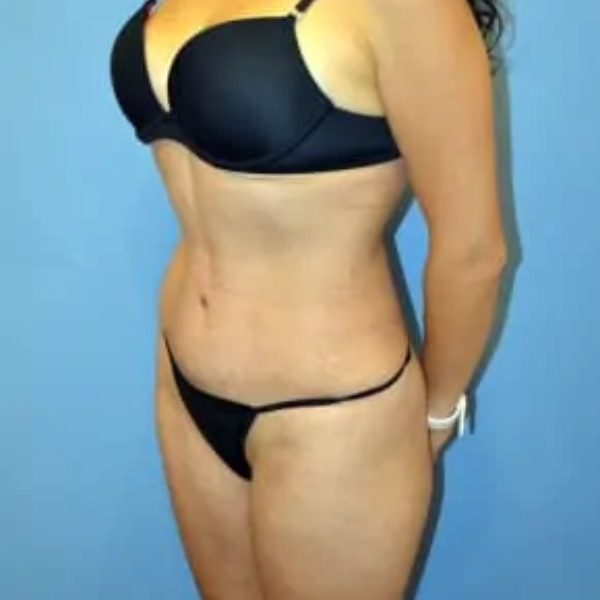
Breast Augmentation
Consultations offered at our four convenient locations in Edison, Marlboro, Warren and West Orange, NJ

Breast augmentation is a surgical procedure that can restore the symmetry, shape, size, and fullness of the breasts using either implants or your body’s natural fat. (1)
Over time, life events, intrinsic factors, and extrinsic forces can wear on the breasts. These effects can cause the skin to sage, and the breasts may take on a flatted or deflated shape. Many patients also have breasts that are smaller than they desire, or they struggle with asymmetry between them. With breast augmentation, you can directly target these concerns and achieve a look that leaves you feeling confident.
I, Harry T. Haramis, MD, FACS, am a board-certified plastic surgeon and breast specialist with more than 30 years of experience. I am dedicated to providing each patient at Associates in Plastic Surgery with individualized care and the best possible experience when they enter the doors. No matter how subtle or striking you would like your results to be, you can trust that I will deliver them without compromising the quality of your care.
To begin working together, please contact us online or call the office closest to you:
Contents
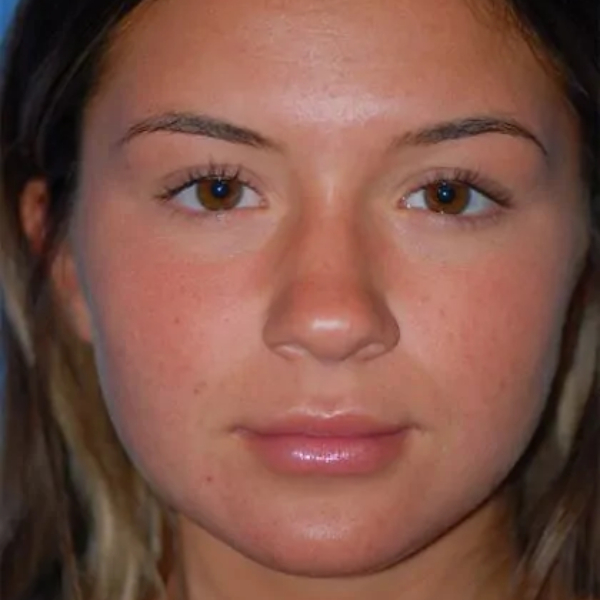
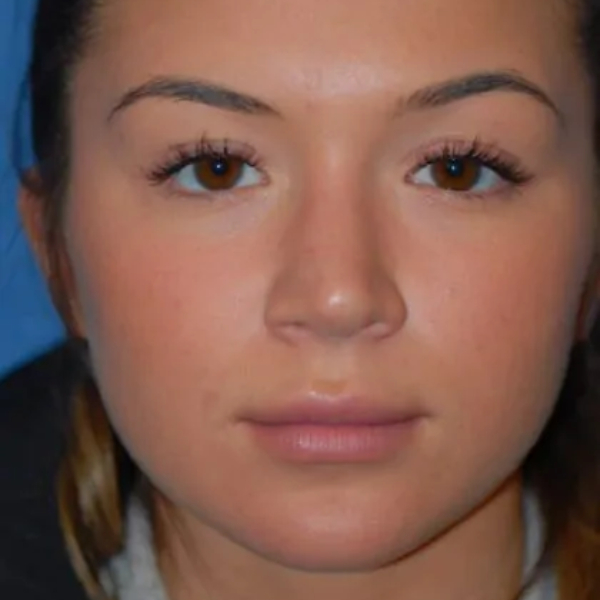
- 1 Before and After Photos
- 2 About Breast Augmentation
- 3 Breast Implant Options
- 4 Candidates
- 5 Personal Consultation
- 6 Preparation
- 7 Procedure
- 8 Recovery
- 9 Results
- 10 Cost of Breast Augmentation in New Jersey
- 11 FAQ
- 11.1 What is breast augmentation?
- 11.2 What type of breast implants can be placed during a breast augmentation procedure?
- 11.3 When can I return to work after my breast augmentation?
- 11.4 If I undergo a fat transfer to the breasts, where will the fat be transferred from?
- 11.5 How long will the results of my breast augmentation last?
- 12 References
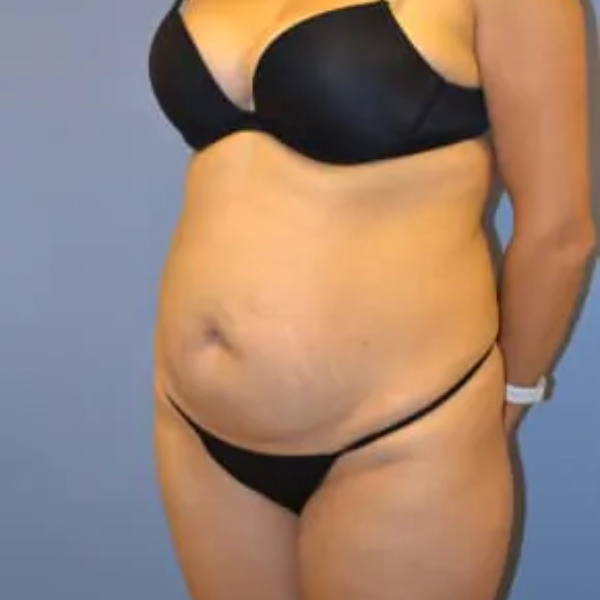
Before and After Photos


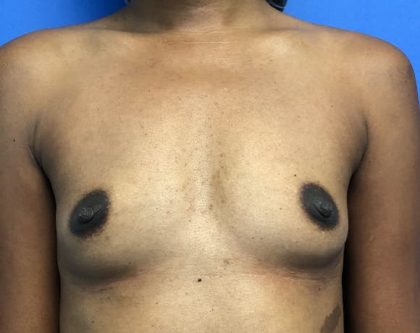
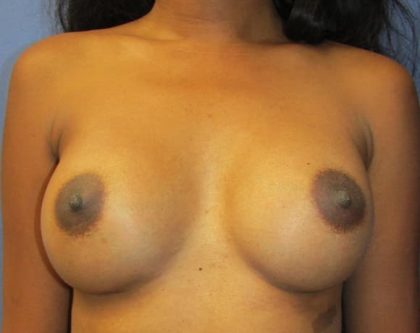
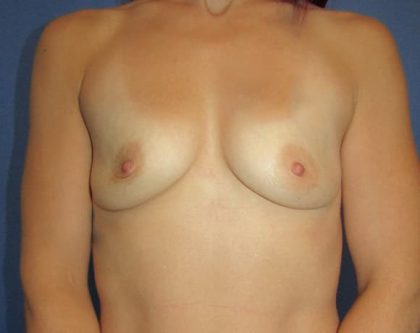
About Breast Augmentation
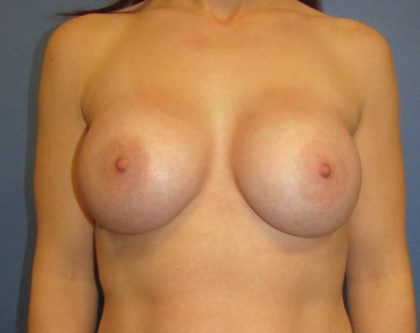
Breast augmentation is a surgical procedure that I can perform to enhance the size, shape, symmetry, and fullness of the breasts using either breast implants or your body’s organic fat. It is one of the most widely performed plastic surgery procedures in the country, (2) as it boasts a successful track record for effectively restoring both your natural cleavage and sense of self-confidence.
Breast Implant Options
Saline Breast Implants
Saline breast implants consist of a silicone shell filled with a sterile saltwater solution. I can place them in the chest empty and fill them afterward, offering a greater degree of variability and customization and smaller incisions. (1)
Silicone Breast Implants
Silicone breast implants encapsulate a viscous silicone gel in a silicone shell. Silicone implants are typically recommended for patients with thinner or smaller amounts of breast tissue, as they replicate the natural look, feel, and movements of organic breast tissue. (1)
Motiva® Implants
Motiva® is a breast implant manufacturer that has recently offered us their new generation of silicone implants. They feature SmoothSilk® technology to enhance the biocompatibility of the implant within the chest and can minimize your overall recovery time.
Candidates
You may be an ideal candidate for breast augmentation if you are interested in refining the size, shape, symmetry, and fullness of the breasts using implants, your body’s natural fat, or a combination of the two.
To qualify for breast augmentation, you will need to be in good general health and maintain realistic expectations regarding your results. It is also important that you lead a nicotine-free lifestyle, or be willing to quit altogether. I will assess your candidacy during your consultation, once I have had a chance to converse with you.
Personal Consultation
The first step to transforming your breasts is attending a personal consultation at one of our offices. During this visit, I will meet with you to learn more about how I can best help you. I will explain what breast augmentation procedures consist of, review your medical history, and learn more about your aesthetic goals. I will also perform a thorough examination of your natural anatomy, breast composition, and tissue quality.
Breast augmentation consultations are often a multi-step process. I spend significant time with my patients, often multiple appointments, tailoring implants to their body and frame while accounting for their specific goals. I often use breast implant sizers during the consultation and during the procedure to achieve results and size that are consistent with our discussions. These appointments are also an opportunity to explore placement options (above or below the chest muscle or dual plane) and determine if additional procedures like a breast lift will be beneficial.
I will then use this information to finalize your candidacy and the details of your treatment plan. I will explain your options to you and help you determine the most appropriate approach for your needs. If you are receiving implants, I will help you choose a pair that flatters your natural figure. I will also take the time to answer and address any questions you may have, as I want you to leave feeling confident about your upcoming procedure.
If you are ready to schedule this consultation, we invite you to contact us online or call the office most convenient for you:
Preparation
I will give you a detailed set of preparation instructions once you have scheduled your breast augmentation procedure. These instructions may vary depending on the details of your surgical plan, but they typically include:
- Avoiding Certain Medications: Discontinue taking any medications or supplements that may thin your blood.
- Arranging Time Away: Prepare to take time away from your professional responsibilities, personal commitments, and social activities to give yourself time to rest.
- Preparing Transportation Home: Have a trusted friend or relative drive you home after your procedure and stay with you for the first few days afterwards to help you complete tasks.
- Preparing Your Recovery Space: Pick up any medication you will need and ensure you rearrange your home to create a comfortable recovery environment.
- Stopping Substances: If applicable, stop consuming nicotine and alcohol in the weeks leading up to your procedure.
Procedure
I perform each breast augmentation on an outpatient basis using general anesthesia. The duration of your breast augmentation procedure will vary, but you can expect it to last between 1 and 2 hours.
Breast Augmentation with Implants
If you are undergoing a breast augmentation using implants, I will begin your procedure by making an incision using one of two incision patterns: (3)
- Periareolar Incision: This incision follows the outermost perimeter of the areolas and hides scarring within the pigmented tissue.
- Inframammary Incision: This incision extends horizontally across the breast crease, or the inframammary fold. It hides any post-operative scarring beneath the breast.
There are two additional methods for placing implants, though they are complex and often unnecessarily complicate the surgery. These are the:
- Transaxillary Incision: This incision pattern places the incision within the crease of the armpit, avoiding any scarring on the external breasts.
- Transumbilical (TUBA) Incision: This incision pattern accesses the underlying structures of your breasts through pre-existing surgical scars found across the abdomen.
I will create a pocket for the implant either above the pectoralis muscle (subglandular placement) or below the pectoralis muscle (submuscular placement). (1) I will then place and secure the implants in your chest before meticulously suturing each incision shut.
Fat Transfer to the Breasts
If you are undergoing a fat transfer to the breasts, I will begin your procedure by placing a small incision near the fat deposits and injecting the region with a tumescent fluid composed of epinephrine, lidocaine, and saline. (4) This solution will minimize bleeding, further numb your tissues, and swell the fat deposits for easier removal. I will then insert a cannula into the treatment area and move it back and forth to break down and suction out the local fat.
The fat will be processed through a centrifuge to separate out the most viable cells from the rest. I will then carefully inject it into various regions of your breasts to elevate their natural sculpt, symmetry, and fullness.
Implant-based augmentation and fat transfer augmentation are not mutually exclusive procedures; frequently, I will place autologous fat to enhance the appearance of implants, subtly add extra volume, create extra cushioning, and enhance smoothness.
Recovery
After your breast augmentation, you may experience some swelling, bruising, and general discomfort in the healing regions. These effects will subside with time, but you may also manage them using medications and plenty of rest. I will also provide you with a supportive bra to maintain your new contours as your breast tissues heal.
I recommend integrating gentle movements and light walks into your routine as soon as you feel comfortable. By doing so, you can increase circulation to the breasts and promote better healing. You may return to desk work and other nonstrenuous tasks after you have rested for approximately 1 to 2 weeks. However, you will need to continue avoiding anything arduous for another several weeks, or until I have approved your return.
I will give you a full set of postoperative instructions during your consultation. By following them as I direct, you can return to your routine more safely and comfortably. I will also keep close contact with you, consistently following up and ensuring that your recovery is progressing smoothly.
Results
You will be able to experience the full results of your breast augmentation procedure once you have completely recovered. While they will vary, you can expect to enjoy more shapely and voluminous breasts, enhanced proportions, a more contoured figure, elevated cleavage, and more—each of which may contribute to a greater sense of self-esteem overall.
Cost of Breast Augmentation in New Jersey
I will discuss your financial obligations with you once I have established your entire treatment plan. In general, pricing begins at $8,900. This includes the implants, operating room fees, and anesthesia, although some cases are more complex; I customize each aspect of every breast augmentation procedure according to your needs, aesthetic goals, and natural anatomy, which means that pricing will vary.
FAQ
What is breast augmentation?
Breast augmentation is a procedure that uses either implants or your body’s own fat to refine the shape, size, symmetry, and fullness of the breasts.
What type of breast implants can be placed during a breast augmentation procedure?
I can place saline implants, silicone implants, and Motiva® silicone implants.
When can I return to work after my breast augmentation?
Many of my patients are able to return to desk work and other nonstrenuous tasks after they have rested for approximately 1 to 2 weeks. However, you will need to refrain from anything arduous or demanding until you have fully healed or I have approved your return.
If I undergo a fat transfer to the breasts, where will the fat be transferred from?
I can use liposuction technique to remove fat deposits from nearly any region of the body that has enough. Many patients choose to remove fat from areas such as their thighs, ankles, or abdomen, but I will assess your figure during your consultation and finalize your details there.
How long will the results of my breast augmentation last?
When you pair it with a stable weight and healthy lifestyle habits, you can enjoy your elevated contours for several years to come. However, breast implants are not lifetime devices, and they will require replacement or removal eventually.
References
- Fardo D, Sequeira Campos M, Pensler JM. Breast Augmentation. PubMed. 2021. Accessed October 6, 2026. https://www.ncbi.nlm.nih.gov/books/NBK482206/
- ASPS. American Society of Plastic Surgeons ® Endorsed Partner. 2025. https://www.plasticsurgery.org/documents/news/statistics/2025/plastic-surgery-statistics-report-2025.pdf
- Ramachandran K. Breast augmentation. Indian Journal of Plastic Surgery: Official Publication of the Association of Plastic Surgeons of India. 2008;41(Suppl):S41. Accessed October 6, 2026. https://pmc.ncbi.nlm.nih.gov/articles/PMC2825138/
- Bartow MJ, Szymanski KD, Raggio BS. Liposuction. ncbibooks. July 7, 2025. Accessed October 6, 2026. https://www.ncbi.nlm.nih.gov/books/NBK563135/