Breast Reduction Covered by Insurance
Consultations offered at our four convenient locations in Edison, Marlboro, Warren and West Orange, NJ

Insurance is more likely to cover a breast reduction if you have been experiencing a range of uncomfortable side effects or symptoms caused by your enlarged breasts. While many women believe that larger breasts are more desirable, having a greater amount of tissue on the chest can come with undesirable effects they do not talk about. Many women face chronic pain or limited mobility on a daily basis, which can affect the quality of their lives on a greater scale. When your insurance provider deems these concerns to be medically necessary, they may step in and cover part or all of the cost.
I, Dr. Harry Haramis, am a plastic surgeon and breast specialist at Associates in Plastic Surgery who is board-certified by the American Board of Plastic Surgery. I offer more than 30 years of experience in performing breast enhancement and body contouring procedures, and I pride myself on providing individualized and quality care to each of my patients. I approach each procedure with surgical precision, artistic expression, and a commitment to patient safety, which has helped me achieve the seamless results for which I am known.
If you are ready to schedule your breast reduction, please contact us online or call the office most convenient for you:
Contents
- 1 Before and After Photos
- 2 About Breast Reduction
- 3 About Insurance Coverage
- 4 The Insurance Process
- 5 Candidates
- 6 Preparation
- 7 Procedure
- 8 Recovery
- 9 Results
- 10 Cost of Breast Reduction Covered by Insurance in New Jersey
- 11 FAQ
- 11.1 When would an insurance company cover a breast reduction procedure?
- 11.2 What are some indications that I may need to consider a breast reduction?
- 11.3 How long will it take to recover from a breast reduction covered by insurance?
- 11.4 How long will the results of my breast reduction covered by insurance last?
- 11.5 Will I lose sensation in my nipples after my breast reduction?
- 12 References
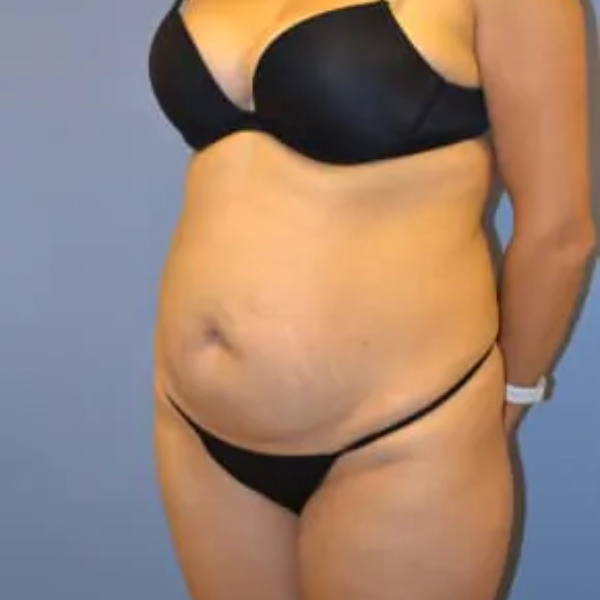
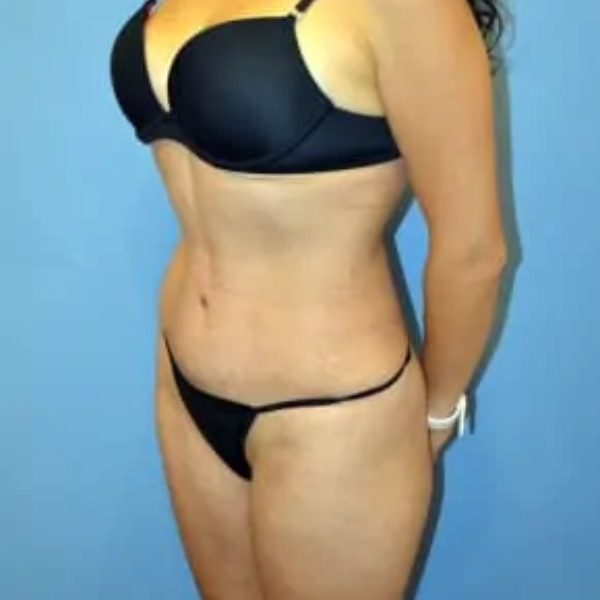
Before and After Photos


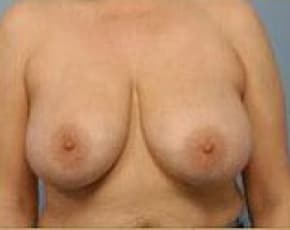
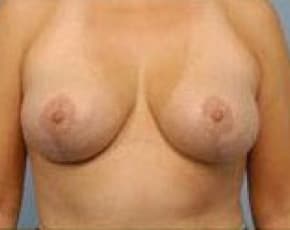
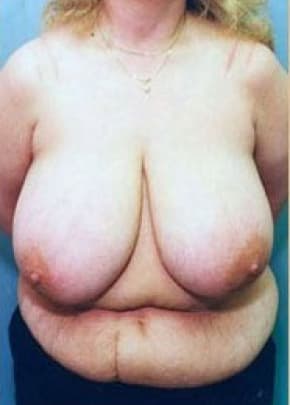
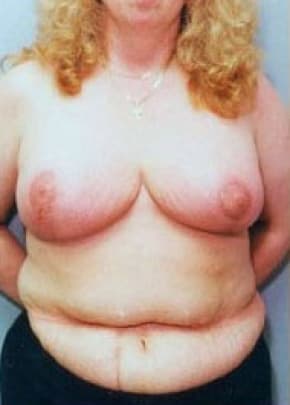
About Breast Reduction
A breast reduction procedure, or a reduction mammoplasty, is a surgical procedure that can remove excess tissue from the breasts. (1) Many women request this procedure to address physical pain or reduce the embarrassment associated with large breasts while also enhancing the proportions and contours of their breasts. In 2025, more than 76,000 breast reduction procedures were performed in the country, which is a 7% increase from the year prior. (2) This demonstrates a growing demand for breast reductions and a high patient satisfaction rate.
About Insurance Coverage
Insurance coverage relies on your provider considering your procedure to be “medically necessary.” This means that they must determine that your breast reduction is being performed to treat a medical condition and not for cosmetic enhancement. Most patients must collect documentation that demonstrates their condition significantly impacts their lives, with common conditions including chronic pain or skin rashes.
Failed Conservative Management
Most health insurance companies require evidence of “failed conservative management” that lasts for at least 3 to 6 months. This is done by patients to prove to their providers that previous treatments, procedures, and interventions did not alleviate the experienced symptoms or discomfort.
Clinical Methods
Many health insurance companies may use different standards and methods to measure whether a procedure is medically necessary or not. One of these is the Schnur Sliding Scale, which is the national standard for coverage decisions regarding macromastia (enlarged breast) treatments. It correlates the amount of tissue to remove with your total Body Surface Area (BSA). (3) If the estimated amount of tissue aligns with a certain percentile on the chart, it is more likely to be considered medically necessary. Your insurance provider may also have a certain BMI cutoff for breast reduction coverage to ensure that weight loss methods were attempted before requesting surgical intervention.
The Insurance Process
When submitting your case, there are several steps you need to take to ensure you have included all of the necessary information. My team and I will be there for every step of the process to assist you and answer any questions you may have.
Creating Your Portfolio
The first step to receiving insurance coverage is creating a Documentation Portfolio. This is a collection of evidence that the side effects and symptoms you are experiencing are chronic and previous interventions have failed to treat them. Your portfolio must include notes, logs, and medical records from various medical professionals and specialists documenting each of your concerns and your attempts at alleviating them.
Attaining pre-authorization is getting your insurance’s approval for your surgery. This means that I will submit the treatment plan we discuss alongside your Documentation Portfolio. This is done to demonstrate that all your other attempts have been unsuccessful and that surgical intervention is the only reliable approach to improving your health and well-being.
The Appeals Process
If your request for coverage is denied, I can provide additional information and file for an appeal. There are three stages of advocacy that I can take to attempt to get your denial overturned, including:
- Peer-To-Peer Review: I can speak to a doctor or medical director at your insurance company to justify why I believe your treatment is necessary.
- Internal Appeal: We can submit a formal written request for your insurance provider to reconsider their decision based on the new information and data we provided.
- External Review: If we have exhausted the internal routes, an independent third party may review your case.
Candidates
Your breast reduction may be covered by insurance if it is considered medically necessary. This means that you are receiving it because you have found yourself struggling with:
- An excessive amount of weight on the chest
- Chronic neck, back, and shoulder pain
- Deep grooving caused by bra straps
- Posture concerns
- Difficulties moving or completing certain tasks
- Rashes caused by chafing breast tissue
To qualify for this procedure, you should be in good general health and maintain realistic expectations regarding achievable outcomes. You should also be nonsmoking or willing to quit using nicotine. I will finalize your candidacy during your personal consultation.
Preparation
Once I have established your treatment plan, I will give you a set of detailed instructions to help you prepare for your upcoming procedure. I ask that you follow them, as they can optimize your procedure, recovery, and results. They include:
- Avoiding Certain Medications: Discontinue taking medications or supplements that contain blood-thinning properties.
- Preparing Time Away: Arrange time away from your career and personal commitments to give yourself time to rest.
- Coordinating Care: Have a trusted friend or relative drive you home and stay with you for the first 24 to 48 hours of your recovery.
- Running Errands: Pick up any medications you will need and rearrange your home to create a comfortable recovery environment.
- Stopping Substance Use: If applicable, stop consuming nicotine or alcohol in the weeks before your procedure and maintain your abstinence in the weeks afterwards.
Procedure
I will begin your breast reduction procedure by strategically placing incisions to access the underlying structures of your breasts. The exact approach and pattern I use will vary depending on your natural anatomy and desired enhancements, but they typically include the vertical incision or the anchor pattern.
- Vertical Incision: With the vertical pattern I place an incision that follows the perimeter of the areola before extending it downward from its center.
- Anchor Pattern: This pattern builds off of the previous pattern, but it uses a third incision that extends horizontally beneath the breast crease.
After I have accessed the necessary tissues, I will remove redundant breast skin, tissue, and fat before reshaping the remaining breast mound. I will reshape and reposition your areolas to a more proportionate and centralized location. If there is a significant amount of fat around the breasts, I may also perform liposuction to address it. I will then close your incisions, and you will rest in a recovery room.
Recovery
After your breast reduction, you will need to take some time to focus on your recovery. You can expect some initial swelling or discomfort, but these effects will dissipate on their own with time. You may manage them with over-the-counter medications and plenty of rest, and I will also have you wear a supportive bra as you heal to reduce additional swelling and maintain your new contours as your tissues settle.
You may return to non-strenuous activities and desk work after resting for approximately 10 to 14 days. However, you will need to refrain from heavy lifting or other demanding tasks until I have approved your return. Throughout this time, I will also have you attend follow-up appointments, so I may monitor your healing progress.
I will provide you with a detailed set of post-operative instructions during your personal consultation so you understand how to care for yourself during this time. By following these directions, you can ensure a quick recovery and return to your daily routine.
Results
Once any residual swelling has subsided, you will be able to enjoy the results of your breast reduction. Your exact experiences vary, but you can expect smaller and more proportionate breasts, improvements in your posture, a reduction in physical pain, and fewer skin rashes. You may also find it easier to participate in physical activities and complete certain tasks.
Cost of Breast Reduction Covered by Insurance in New Jersey
The cost of your breast reduction will vary depending on certain factors of your treatment plan. During your consultation, I will provide you with a comprehensive cost estimate. These include the surgical costs, anesthesia fees, and any additional expenses. Based on this information and the details we discuss, your insurance company may cover all or some of the procedure. I cannot guarantee insurance coverage for each patient, but I will help in compiling all necessary information, making claims, and making appeals.
We additionally offer financing for those who qualify and are interested.
FAQ
- Neck, back, and shoulder pain
- Chafing or rashing breast tissue
- Grooving caused by bra straps
- Difficulties exercising or performing certain tasks
- Unwanted attention
- Asymmetry
- Low-positioned areolas.
When would an insurance company cover a breast reduction procedure?
Your insurance company may cover your breast lift if they deem it medically necessary. This means that they will cover it if you are experiencing mobility concerns, issues completing certain tasks, or physical pain.
What are some indications that I may need to consider a breast reduction?
You may want to consider undergoing a breast reduction if the size, volume, and weight of your breasts are causing the development of concerns, such as:
How long will it take to recover from a breast reduction covered by insurance?
Many of my patients are able to return to desk work and other non-strenuous tasks after resting for approximately 10 to 14 days. However, you will need to continue refraining from any demanding activities until I have assessed the healing area and have cleared you to return.
How long will the results of my breast reduction covered by insurance last?
When you maintain a stable weight and healthy lifestyle, you will be able to enjoy the results of your breast reduction for many, many years to come.
Will I lose sensation in my nipples after my breast reduction?
You may temporarily experience a loss or change in your nipple sensation, but these effects typically subside on their own after several weeks.
References
- Sachs D, Szymanski KD. Breast Reduction. StatPearls Publishing; 2021. Accessed August 7, 2026. https://www.ncbi.nlm.nih.gov/books/NBK441974/
- Plastic Surgery Statistics 2025. American Society of Plastic Surgeons. September 1, 2026. Accessed September 1, 2026. https://www.plasticsurgery.org/documents/news/statistics/2025/plastic-surgery-statistics-report-2025.pdf
- Dvoracek LA, Gusenoff JA, J. Peter Rubin, Manders EK. Quick Calculation of Breast Resection Mass Using the Schnur Scale. Annals of Plastic Surgery. 2019;82(3):316-319. doi:https://pubmed.ncbi.nlm.nih.gov/30557179/