Facelift
Consultations offered at our four convenient locations in Edison, Marlboro, Warren and West Orange, NJ

The facelift is an extremely popular procedure that has been refined throughout the years to help patients look more youthful and feel more confident. I’m Dr. Andrew Miller, a facial plastic surgeon here at Associates in Plastic Surgery, board-certified by the American Board of Facial Plastic and Reconstructive Surgery. My interest in facial surgery started during my initial training. I appreciated the delicate balance required in facial surgery because the face is the first thing you notice, and even subtle changes can make a powerful difference. I started my own private practice 26 years ago and have been continuously fine-tuning my techniques to provide my patients with the outstanding results they deserve.
When first researching the procedure, it becomes evident that there are many different types of facelifts, each with different names. This can be a source of confusion for patients, especially when they are trying to sort through it all and plan their procedure. I primarily perform deep plane facelifts, which I consider to be most effective for natural, stable facial rejuvenation. I will go into more detail about this procedure later in this page, so read on if you would like to know more!
If you want to schedule a consultation with me and get started on your facial rejuvenation journey, please fill out our online form or give us a call:
Contents
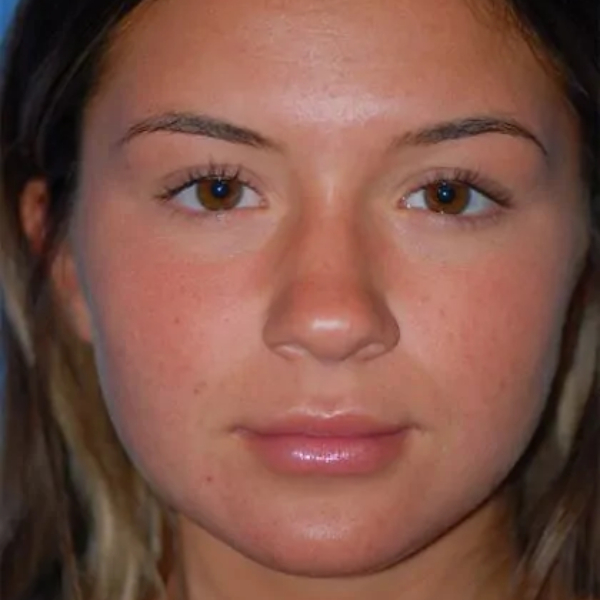
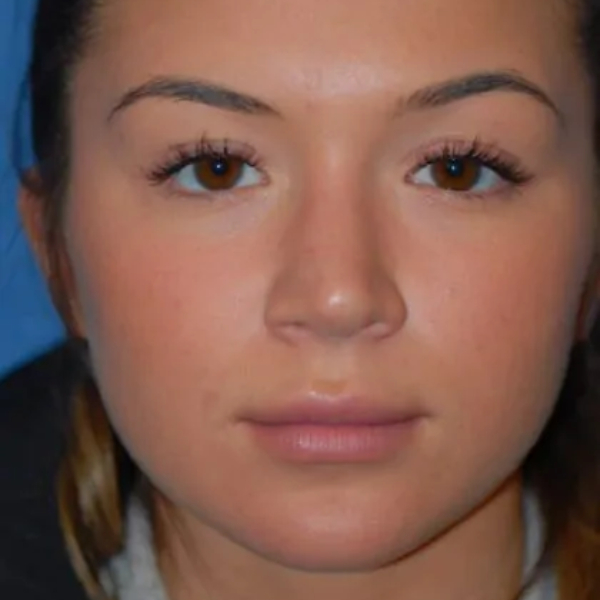
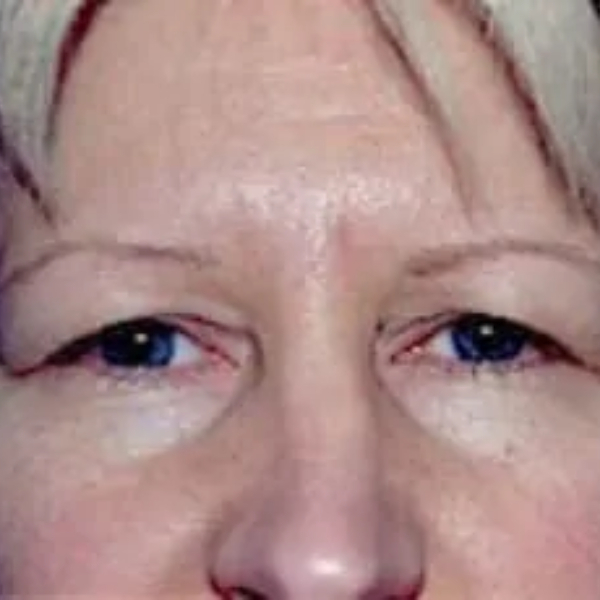
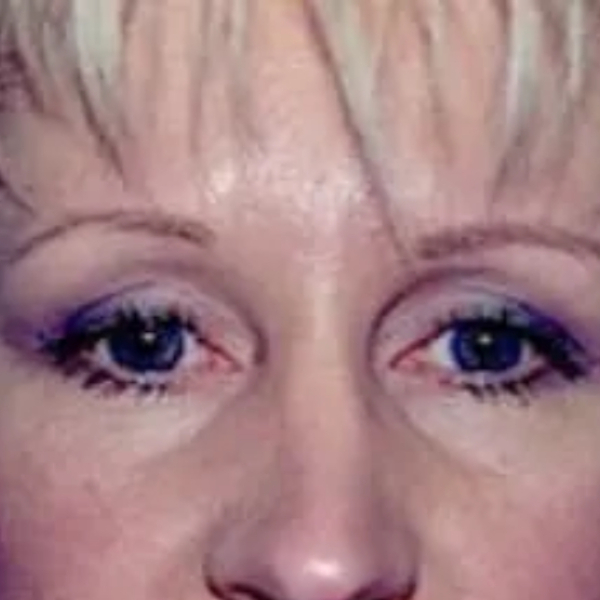
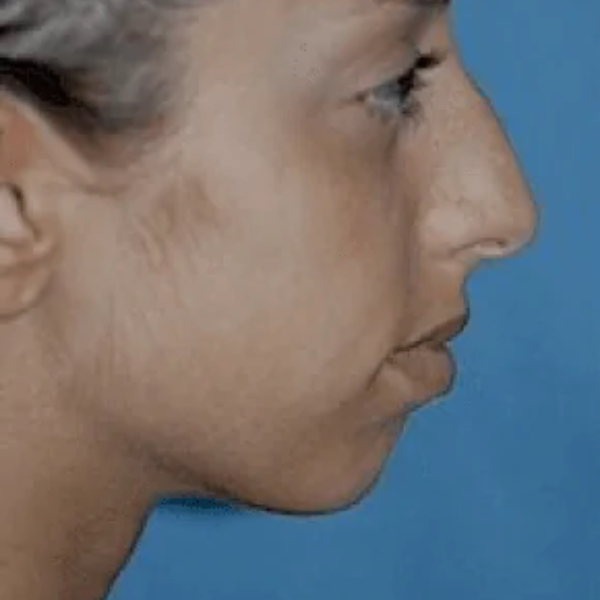
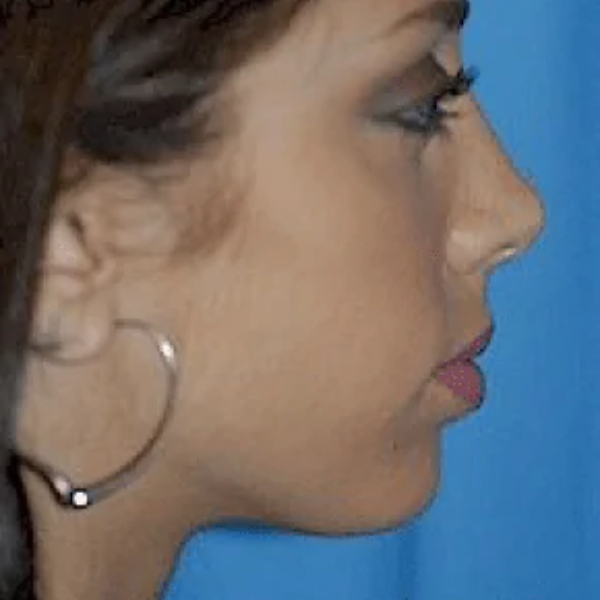
Before and After Photos


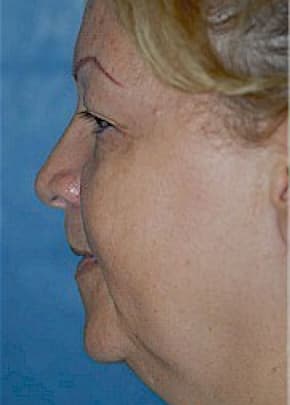
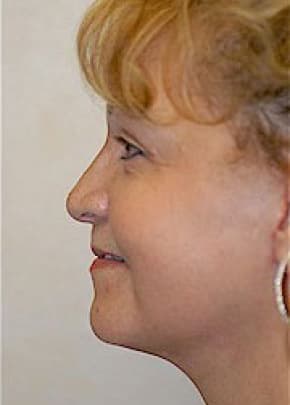
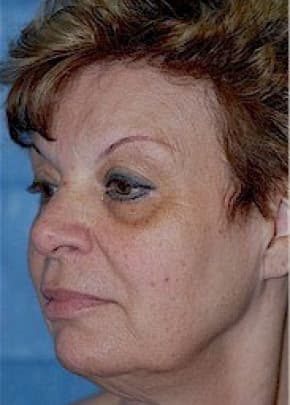
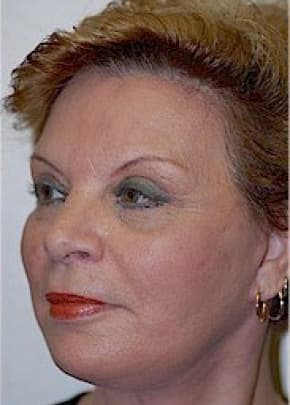
Facelift Evolution
The SMAS Lift
In the beginning, all facelifts were done via the SMAS layer. The skin would be elevated, the fascial layer overlaying the muscle would be lifted and sutured downward, and the skin would be redraped. This is good for tightening the skin, but its results age less gracefully and can result in a pulled look.
The Deep Plane Facelift
As time went on, surgeons developed something known as the deep plane approach, which creates a plane underneath the fascia, elevates it close to the skin to create a singular unit.
When this unit is lifted tightly, there is no tension, and the scar is very hard to see. As such, this technique became the gold standard for facelifts and is still very popular today.
Deep Plane Facelift and Neck Lift: A Combined Approach
This facelift extends the deep plane approach into the neck, allowing us to lift the platysma muscle upward as a single unit with the face. In the neck, the concern is not simply loose and sagging skin. The fat and muscle can also sag, and addressing all of these layers is important for a smooth look.
The deep plane approach allows us to achieve incredible results, as the underlying layers are addressed as well as the skin. My deep plane facelift is designed to improve the lower face, jawline, and neck all at once.
Post Weight Loss Facelift
In recent years, I’ve been seeing a lot of patients seeking a facelift after losing a significant amount of weight. This is in part due to the upsurge in GLP-1 medication use; these medications help patients effectively lose weight by interacting with hormone pathways that impact appetite and insulin release. The rapid weight loss that these medications facilitate often does not allow the skin to retract in its normal way, making a facelift the best option for full facial Rejuvenation after weight loss. The facelift can help lift and redistribute facial tissues and facial fat to fill hollows and make patients look more youthful.
Candidates
The top 3 reasons I see facelift patients are:
- Patients are starting to experience the effects of the normal aging process—gravity, a loss of elastin, and sun exposure have resulted in sagging skin or other concerns.
- The patient has undergone significant weight loss, causing excess skin and unwanted facial hollows that are difficult to address on one’s own.
- Patients may be single and on the older side, perhaps in their 70s, and just want to feel happier and have an appearance that matches their inner vitality so that they can live their lives to the fullest!
Most of the patients I see are candidates for the deep plane facelift approach. However, some younger patients or those who cannot be put under general anesthesia or undergo more extensive procedures may benefit from a mini facelift procedure.
In any case, patients should be in general good health, have realistic expectations, and be non-smokers or willing to quit smoking for an extended period of time.
Personal Consultation
During your personal consultation, you will meet with me so that we can review what you can expect from a facelift; we’ll also confirm your eligibility at this time. We will talk about things like your medical history, your aesthetic goals, and what concerns you would like to address with surgery. You are welcome to also come back for additional preoperative appointments so that we can make sure you are fully comfortable and confident moving forward with your planned procedure.
Important Considerations
I see many revision facelift patients who have deep chasms, look overdone, or have a pulled mouth. This is why using the deep plane approach is so important—it allows patients to look completely natural. We don’t want to completely change a patient’s look; we just want to make them look more youthful, with skin that rests naturally on the face.
With a deep plane facelift, we can make tremendous improvements while maintaining a normal, natural look at the same time. After all, a 60-year-old patient is not supposed to look 25—we want to embrace graceful aging and help our patients live their best lives!
Incisions
With the deep plane approach, incision lines fade quite nicely and are very discreet; I place them in the temporal hairline, and they extend in front of the ear, behind the tragus, and into the crease behind the ear, and then into the hairline. There is a small incision in the crease beneath the chin as well.
Through these incisions, I can effectively tighten the underlying structures of the face and excise redundant skin.
Mini Facelift
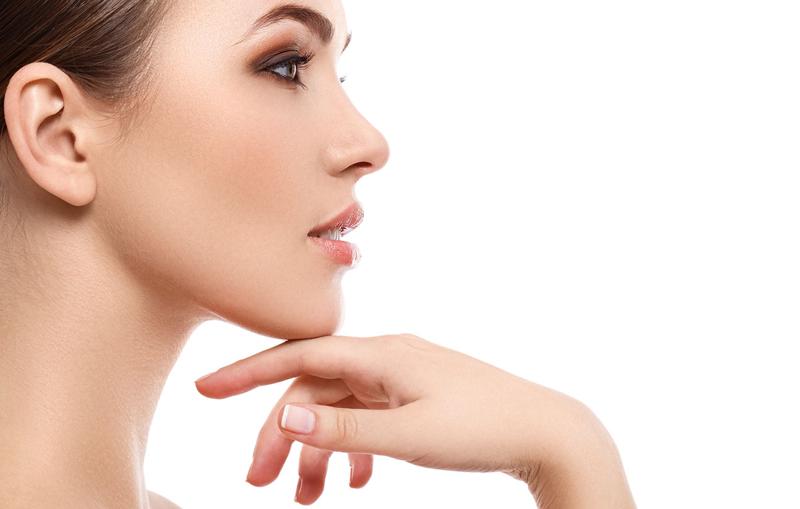
A mini facelift is ideal for a patient who has no significant issues in the neck region. It mainly addresses the jawline. The recovery and procedure times are generally a little quicker, and patients tend to be very happy with the process. However, this procedure is less commonly recommended because most patients need a full deep plane facelift to address more complex changes.
With a mini facelift, there will be no incisions under the chin or in the hairline; incisions will stop behind the ear. Most of the patients who undergo the mini facelift are younger or have less extensive signs of aging.
This procedure can also be done while you’re awake, so it’s a good option for patients who can’t receive general anesthesia. Ninety percent of the procedures I perform, however, are regular deep plane facelifts, but I am experienced in a variety of different facelift techniques for different concerns patients may have.
Recovery
I will see you the day after your facelift to check on your results and see how you’re feeling. I will then see you once a week for 2 weeks to remove sutures and to offer ongoing support. It is normal to experience some discomfort and swelling during this time, but this will greatly improve after the first week. I recommend that you sleep with your head elevated and avoid strenuous activities to support optimal results.
I will provide you with a comprehensive list of recovery considerations so that you can know exactly what to expect and how to optimize your healing.
Results
Results from my facelift, especially the deep plane facelift, are very long-lasting. Results will also look extremely natural because of the comprehensive approach. Many patients see benefits from their procedure for 10 years or more. Patients should be healthy, not smoke, and avoid weight fluctuations to see the longest-lasting results.
Cost of a Facelift in New Jersey
The cost of your facelift will depend on the technique I use and whether we include additional procedures as a part of your plan. After your consultation, I will provide you with a detailed cost estimate, including surgical, anesthesia, and facility fees. Associates in Plastic Surgery also has financing options available to make your goals more accessible, and I would be happy to discuss these with you.
Schedule a consultation today to explore your facelift options. If you have any questions or prefer to schedule over the phone, please call any of our four New Jersey offices directly:
References
- Yang AJ, Hohman MH. Rhytidectomy. PubMed. Published 2021. https://www.ncbi.nlm.nih.gov/books/NBK564338/
- Raggio BS, Patel BC. Deep Plane Facelift. PubMed. Published 2021. https://www.ncbi.nlm.nih.gov/books/NBK545277/
- Whitney ZB, Jain M, Zito PM. Anatomy, Skin, Superficial Musculoaponeurotic System (SMAS) Fascia. PubMed. Published 2020. https://www.ncbi.nlm.nih.gov/books/NBK519014/
- Boyd CJ, Ceradini DJ. Current Trends in Facelift and Necklift Procedures. Journal of Clinical Medicine. 2025;14(12):4273. doi:https://doi.org/10.3390/jcm14124273